Can CBD Affect How Other Drugs Are Metabolized?
Yes. Cannabidiol, better known as CBD, can affect the way the body processes some medicines. That does not mean every person who uses CBD will have a problem, or that every medication interacts with it. But the possibility is real enough to discuss with a physician or pharmacist before adding CBD to a medication routine.

“Drug metabolism” means the body’s process for breaking down and clearing a medicine. CBD may influence enzymes involved in that process, potentially changing how much of another drug stays in the body or how long it remains there. The effect depends on the medicine, the CBD dose and formulation, and the individual person.
That is why the useful question is not simply, “Is CBD natural?” It is: “Could this specific CBD product affect this specific medicine, and how will we check?”
How CBD May Affect Drug Metabolism
The liver uses several enzyme systems to process medicines. One group, called cytochrome P450 enzymes, helps break down many commonly prescribed drugs. CBD can affect the activity of some of these enzymes in laboratory research and in certain clinical settings. If an enzyme works more slowly, a medicine it normally breaks down may build up. If the process changes in another way, a medicine’s level or effect could shift.
That general mechanism is well established, but the details are not settled for every CBD product and every medicine. Research on prescription cannabidiol provides stronger evidence for some interactions than research on the many over-the-counter CBD oils, gummies and capsules sold online or in stores. Those retail products can vary in dose, formulation and accuracy of labeling.
Prescription cannabidiol, marketed as Epidiolex, has known interaction considerations and is accompanied by medical monitoring guidance. For example, CBD can raise levels of clobazam’s active metabolite, which may increase side effects such as sleepiness. CBD can also affect certain anti-seizure medicines and has been associated with liver enzyme elevations, particularly in some treatment combinations. These examples do not establish that every retail CBD product will cause the same effects; they show why medication review matters.
Medicines that deserve a closer look
It is especially important to ask a clinician or pharmacist about CBD if you take medicines with a narrow safety range, medicines that can cause sedation, or drugs that need blood tests or dose adjustments. Examples may include some seizure medicines, blood thinners, transplant medicines, and certain heart or psychiatric drugs. This is not a complete list, and a medicine’s interaction risk depends on the circumstances.
Do not stop, skip or change a prescription to make room for CBD without guidance. If you already use both, tell your care team what product you take, how much, how often and when you started. Bring the label or a photo of it. A pharmacist can often help identify potential interaction concerns, while the prescriber can decide whether monitoring or a change in treatment is appropriate.
CBD Medication Interactions: What the Evidence Can and Cannot Tell Us
Searches for CBD medication interactions often turn up long lists that sound definitive. Treat those lists as prompts for a conversation, not as personal predictions. Some warnings come from animal or lab studies, some from prescription-dose clinical research, and some from case reports. They do not all carry the same weight.
Risk can vary with the CBD dose, how often it is used, whether it is taken with food, and the product’s ingredients. A person’s age, liver health, other medicines and overall health also matter. The same person may respond differently to a concentrated oral product than to a low-dose topical product, although topical products can have their own formulation and exposure questions.
There is no simple rule such as “take CBD two hours apart from your medicine” that reliably prevents an interaction. Enzyme effects may last beyond the moment a product is swallowed, and timing alone may not solve the issue. A clinician can consider the particular drug and the best way to monitor for a change.
Full-Spectrum, Broad-Spectrum and Isolate: What’s the Difference?
CBD products are commonly described bocaratontribune.com as full-spectrum, broad-spectrum or isolate. These terms refer to the kinds of hemp compounds a product is intended to contain. They do not, by themselves, prove potency, purity or safety.
Label term What it generally means What to keep in mind Full-spectrum Contains CBD and other hemp compounds, and may contain THC within legal limits. It may present a greater THC exposure and drug-testing concern than products labeled broad-spectrum or isolate. Broad-spectrum Contains CBD and may include other hemp compounds, with THC intended to be removed. “THC-free” is a claim to verify with a batch-specific lab report; trace amounts may still be possible. CBD isolate CBD is separated from most other hemp compounds. It is not automatically interaction-free, accurately dosed or guaranteed free of THC or other contaminants.The “entourage effect” is the idea that cannabinoids and other hemp compounds may work differently together than CBD does alone. In plain language, it is a proposed team effect among plant compounds. It remains an area of research, not a guarantee that a multi-compound product works better or is safer. A broader blend also does not cancel out the possibility of medication interactions.
“THC-Free” and Drug Testing: Read Beyond the Front Label
Some shoppers choose broad-spectrum products or isolates because they want to avoid THC, including people subject to workplace drug testing. Their concern is understandable, but no hemp-derived product should be treated as a guaranteed way to pass a drug test. Tests and workplace policies differ, and a positive result can have serious consequences.
Full-spectrum products may contain THC. Broad-spectrum products and isolates are often marketed as THC-free, but processing, manufacturing or contamination can leave small amounts behind. Also, a certificate of analysis reflects the tested sample—not necessarily every bottle in every later production run. A result showing no THC above a laboratory’s reporting limit is not the same as proof that every unit contains absolutely none.
If a drug test could affect your job, license or other important decision, the cautious choice is to avoid CBD products that may contain THC and discuss the risk with the relevant clinician or testing program. Even a careful label review cannot guarantee a test outcome.
How to Check a CBD Product: COAs, Lab Testing and Refinement
A certificate of analysis, or COA, is a laboratory report showing results for a particular product sample. The most useful report is batch-specific: it identifies the product and the production batch you are buying, rather than displaying a generic report for the brand or a different product.
Use this checklist when a company makes claims about THC, potency or purity:
- Match the batch. Check that the batch or lot number on the package matches the COA.
- Check the date and product. Confirm that the report is reasonably current and describes the same formula and product type.
- Look for a laboratory name. A report should identify the testing laboratory and include readable results, not just a brand-created badge.
- Review cannabinoid results. Check the measured CBD amount and whether THC is reported. Look for the lab’s reporting limit and units, not only the words “ND” or “zero.”
- Look for contaminant testing. Depending on the product, relevant tests may include heavy metals, pesticides, residual solvents and microbial contamination.
- Ask about refinement. Companies should be able to explain how the extract is made and refined, and what testing is performed after processing. Refinement may reduce unwanted compounds, but it does not replace independent testing of the finished batch.
A COA can help answer questions about what was measured in a sample. It does not prove that CBD is effective for a health condition, that the product is safe with a particular prescription, or that every bottle matches the report. A good sourcing and testing explanation should be specific enough that a customer can check it.
Why CBD Became a Mainstream Purchase
CBD products became far more visible after the 2018 Farm Bill changed federal law around hemp cultivation. The law defined hemp in part by its delta-9 THC concentration and removed qualifying hemp from the federal definition of marijuana. That change helped expand the market for hemp-derived products, including CBD oils and topical products.
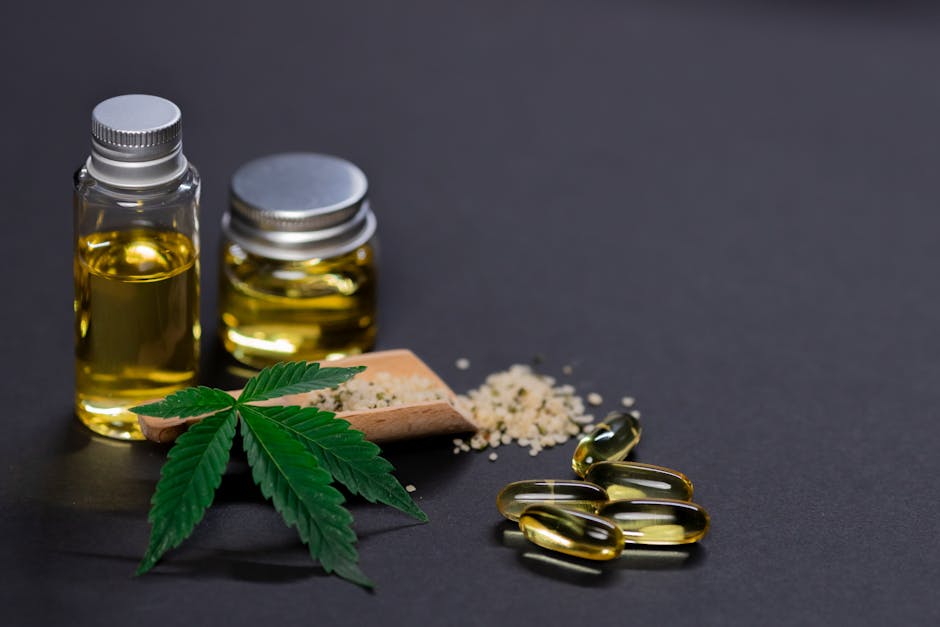
Ever notice how it did not mean that every cbd product was approved as a medicine, that every health claim was supported, or that products were automatically safe to combine with prescriptions. Federal, state and local rules can differ, and the legal landscape for consumer products can change. The Farm Bill is market context—not a medical clearance.
What About Prices?
No product prices were listed in the scraped article being reviewed, so there is no sound basis here to compare brands by cost or claim that one option is a better value. Prices also vary by product size, CBD concentration, retailer and location. If you are comparing products, calculate the cost per milligram of CBD only after verifying the actual amount in the container, and do not let a low price substitute for a batch-specific COA or a medication review.
When to Consult a Physician About CBD
Consult a physician about CBD before starting it if you take prescription medicines, have liver disease, are pregnant or breastfeeding, or are considering it for a serious health condition. A pharmacist is also a practical resource for checking a medication list. Share the exact product, dose and schedule, and mention any other supplements or nonprescription medicines you use.
Seek prompt medical advice if you notice unusual sleepiness, dizziness, confusion, a change in seizure control, unusual bleeding or other unexpected symptoms after adding CBD. These signs can have many causes; a clinician can assess whether CBD, another medicine or something else may be involved.
The Bottom Line
CBD can affect the enzymes that help metabolize some drugs, and clinically meaningful interactions are documented for certain medicines. But the level of risk cannot be judged from the word “CBD” alone. Product type, dose, THC content, other ingredients and a person’s medications all matter.
Before trying CBD, review your medication list with a physician or pharmacist. If you choose a product, check a batch-specific COA, understand what its testing does and does not show, and treat “THC-free” as a claim that needs evidence—not a drug-test guarantee. That is a more useful starting point than a broad promise on a bottle.