How Do I Handle Bright Daylight When Leaving a Club at 6 AM?
It’s 6 AM, the nightclub lights have finally dimmed, and you step outside only to be blasted by relentless bright daylight. For DJs and touring musicians, especially those playing late-night gigs or wrapping up a club set at dawn, this moment can be jarring and even hazardous to your circadian rhythm. Managing bright light exposure when you exit a venue in the early morning isn’t just a matter of comfort — it’s a crucial factor in retaining your energy, focus, and overall health during demanding tours or weekend shifts.
In this post, I’ll draw on nine years of experience working around DJ booths, backstage corridors, flight cases stuffed with gear, and USB sticks containing your lifeblood — your carefully curated music. I’ll also lean on shift work research to bridge practical knowledge with science-backed strategies. We’ll cover circadian rhythms and light cues, the challenge of schedule flipping, how time zones and routing choices impact fatigue, and none of this would be complete without addressing the essential tools in your everyday workflow: from protecting your eyes on the street to tweaking your daytime sleep prep.
Understanding Circadian Rhythm and Light Cues for Night Workers
Your body functions on a roughly 24-hour internal clock called the circadian rhythm, which controls sleep-wake cycles, hormone release, body temperature, and more. This clock is heavily influenced by light exposure, especially bright, natural light like early morning sunlight.
Let me tell you about a situation I encountered made a mistake that cost them thousands.. For DJs whose peak hours often run from midnight to 6 AM, their circadian rhythm is chronically out of sync with standard day-night patterns. This misalignment can cause sleep issues, degraded performance, and long-term health complications.
Why Bright Daylight Matters When Leaving the Club
Daylight is a powerful zeitgeber — a time cue that resets your internal clock. When you step into bright sunlight at dawn after a night shift or gig, your brain registers this light as a signal to wake up, effectively telling your circadian rhythm that the day has started.
This can be problematic when you want to unwind and prepare for sleep during unconventional hours, usually sometime after your morning exit.
- Early morning light suppresses melatonin production, the hormone that signals your body it’s time to sleep.
- If you’re exposed to bright light outdoors, your sleep drive is reduced, making it difficult to nap or achieve restorative sleep later.
- Regularly encountering this mismatch can deepen fatigue, mood variability, and cognitive decline.
The Art and Science of Flipping Your Schedule: Weekend Touring & Night Shifts
Touring DJs or those booked for regular early morning club slots face a unique challenge: flipping their entire sleep-wake schedule. A Saturday night set from midnight to 6 AM flips the clock entirely sideways compared to a standard 9-to-5 routine.
Here’s how shift work research can apply:
- Anticipatory Sleep Preparation: Build a strategic sleep window before you hit the booth to minimize sleep debt.
- Controlled Light Exposure: Use sunglasses or tinted lenses to avoid light cues during your exit when the sun is rising.
- Consistent Sleep Schedule on Off Days: Avoid large swings in sleep times on your days off to prevent circadian rhythm disruption from becoming chronic.
Applying these insights can reduce the mental fog and exhaustion often associated with flipped schedules.
Managing 6 AM Exit: Sunglasses Are Your Best Friend
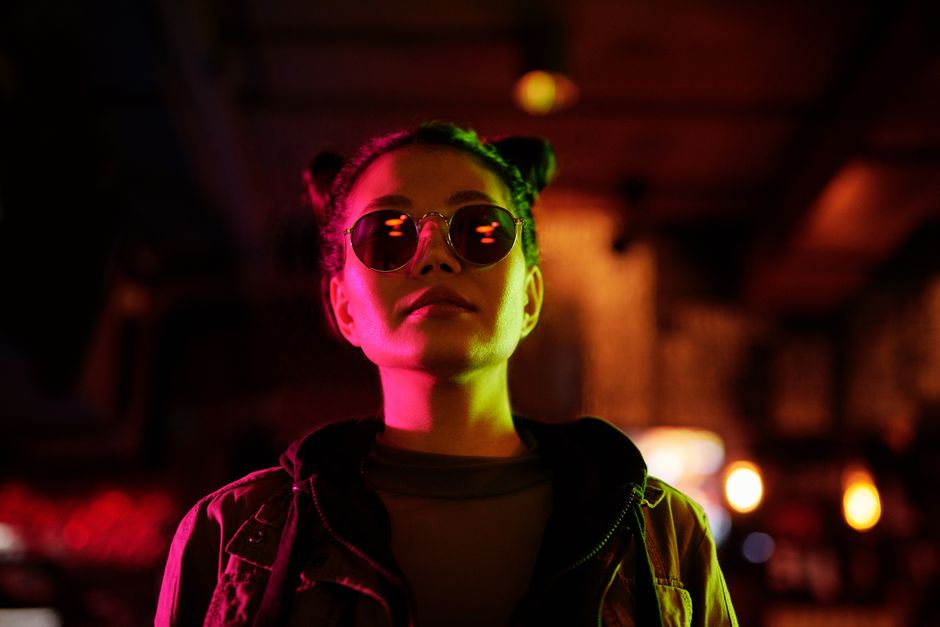
Want to know something interesting? this is where a seemingly simple tool earns its stripes. Wearing high-quality sunglasses as you leave the club can blunt the impact of intense early morning light.
- Quality sunglasses filter out blue wavelengths that most strongly signal wakefulness.
- Polarized lenses reduce glare, improving vision and reducing eye strain after hours under stage and club lights.
- It provides a psychological buffer, letting your brain transition gradually rather than forcefully registering the sudden dawn.
Pro tip: Keep a pair of specialized sunglasses in your flight case — amidst your traces, cables, and USB sticks — ready to deploy every morning after your set.
Daytime Sleep Prep: Tricks for the Post-Set Recovery
Once you’re home or at your hotel, the battle isn’t over. You need to fall asleep during daylight hours despite your body’s natural tendency to stay alert thanks to earlier sunlight exposure.
Here’s how you can prep for daytime sleep:
- Epic Blackout Curtains: Always check your hotel’s blackout job before booking. Many places have poor curtain setups that let in light from streetlamps and sunrise. I keep a running list of “hotel blackout-curtain failures” — trust me, it pays off.
- Sleep Masks: Complement your blackout curtain setup with a comfortable sleep mask to seal out any residual light.
- White Noise or Earplugs: Sound pollution can also derail sleep quality.
- Cool, Dark Environment: Aim for cooler temps to mimic night conditions and enhance sleep feasibility.
- Pre-Sleep Routine: No screens or blue light exposure 30–60 minutes before you want to sleep.
Using these tactics consistently improves the quality of your daytime rest, which is crucial for sustaining performance night after night.
Flight Case and USB Sticks: Hidden Players in Managing Your Tour Fatigue
You might not think your hard flight case or those handy USB sticks packed with meticulously crafted DJ sets play a part in your circadian rhythm management. But they do, indirectly, by shaping your workflow and controlling your on-the-road routine.
Flight Case: The Mobile Command Center
Your flight case isn’t just a container. It's your backstage home base holding your essential gear tightly organized, ensuring no time wasted fumbling around. Efficient gear layout means less stress and chaotic packing, which directly side-line.com impacts your sleep schedule stability during travel.
- Consistent Setup: Knowing exactly where everything is reduces last-minute panics post-set, shortening your wakeful transition periods.
- Accessory Storage: Allocate space for essential items like your sunglasses, sleep masks, and even earplugs so you always have them on hand.
- Weight Distribution: Well-packed cases reduce injury risk and fatigue when hauling gear between venues and hotels.
USB Sticks: Steadying Your Flow Amid Changing Time Zones
Properly prepared USB sticks minimize technical glitches that can drain precious energy and extend your "awake" time post-gig. Lately, I always notice details like multiple back-up playlists, custom EQ settings saved, and tracks organized by vibe — all helping to reduce stress, allowing quicker mental transitions from “performance” mode to “relaxation” mode.
Moreover, keeping your USB music library reliable means fewer surprises, which lowers cortisol — the stress hormone that can delay sleep onset.

Time Zone Hopping: The Hardest Reset of Them All
If you’re hopping between cities or countries during a weekend tour, you get an extra layer of complexity. Flying across time zones throws your circadian rhythm into disarray with jet lag, which compounds the effects of bright daylight exposure.
Here’s what shift work research suggests for juggling time zones:
- Route Planning: If possible, pick flight itineraries that allow arrival during local evening or night hours to “sync” quicker to new time zones.
- Pre-Exposure Control: Use sunglasses and blackout strategies strategically to prepare your body for upcoming day or night shifts.
- Light Box Therapy: Some DJs integrate light therapy devices timed around their gigs for faster circadian realignment.
Balancing these elements requires trial, error, and keen self-observation, but this pay-off significantly improves your energy levels and performance consistency.
Summary Table: Light and Sleep Strategies for DJs Stepping Out at 6 AM
Challenge Strategy Reason Practical Tip Bright daylight upon exit Wear sunglasses Blocks blue light, reduces melatonin suppression Keep a dedicated pair in your flight case Daytime sleep difficulty Blackout curtains + sleep mask Prevents light-triggered wake signals Scout hotel blackout quality beforehand Shifted sleep schedule Consistent timeline, anticipatory naps Reduces circadian misalignment Plan sleep blocks before and after sets Jet lag from time zones Route planning + light exposure control Speeds circadian adaptation Use sunglasses or light boxes depending on arrival time Stress from gear and workflow Organized flight case & reliable USB sticks Reduces mental load, promotes relaxation Pack essentials - sunglasses, sleep aids - with your gearFinal Thoughts
Handling bright daylight at 6 AM after club gigs isn’t about merely tolerating discomfort — it’s about actively managing your circadian health, downtime, and performance. Sunglasses and blackout tools are your frontline defenses, supported by strategic sleep prep, efficient gear organization, and smart routing decisions during tours.
Remember, romanticizing the all-nighter grind without addressing these realities leads nowhere but burnout. Instead, use science-informed approaches to flip schedules smoothly, protect your energy reservoirs, and stay sharp for every set — from dusk ‘til dawn and beyond.
Next time you step out of the club into the blaring sunrise, put on those sunglasses, breathe, and know you’ve got a game plan behind that flight case that keeps you ahead of the fatigue wave.