How Do I Lift Heavy Cases When Everyone Is Rushing at Load-Out?
Any seasoned roadie or touring musician knows that load-out time can be one of the most stressful and injury-prone parts of the gig. Everyone’s in a rush, adrenaline is pumping, and heavy gear needs to get from the stage into the van — pronto. But pushing through fatigue and haste without regard for proper lifting technique is a fast track to injury; and when you’re on tour, one strained muscle can derail an entire run.
In this post, I’ll walk you through strategies to safely lift heavy cases during hectic load-outs, the most common injury culprits I’ve seen over nearly a decade working in venues and on the road, and some practical tips for taking care of your body so you can keep on trucking without pain or downtime.
The High-Risk Reality of Load-In and Load-Out
Load-in and load-out dj hip pain standing periods are brimming with risk factors for injury:
- Fatigue from days on the road and lack of sleep
- Time pressure causing rushed or unsafe lifts
- Repetitive strain from instrument-specific motions
- Poor ergonomics when lugging awkward gear pieces
- Stiffness and circulation issues from hours spent in cramped van seats
All of these can combine to cause strains, sprains, and worse. In fact, I've watched musicians tweak backs unwrapping pedalboards, and crew members slam shoulders carrying flight cases two miles over uneven pavement just because they skipped the ramp and rushed the lift. So, let’s break down what you can do to stay safe and sane.
1. Split Cases Between Two People Whenever Possible
One of the best injury prevention tips I can offer: split heavy or bulky cases two people. This simple tactic dramatically reduces fatigue lifting risk, improves control, and lowers the chance of dropping gear.
Even if you feel capable of dragging a case solo, clear your throat and ask for a hand. Venues and bands with good crew culture view asking for help as strength, not weakness. And don’t forget — communicating your lift plan with your partner can prevent jerks and surprises that cause injury.
- Tip: Determine each person’s grip and lift heights before the lift.
- Tip: Use short, clear commands like “lift on three” to synchronize effort.
Joy Organics, known for their focus on holistic wellness, suggests keeping physical wellbeing a priority on the road — and sharing the load literally embodies that philosophy.
2. Use Ramp Load-Outs Whenever They Are Available
Lifting heavy cases up or down stairs is a quick way to injure yourself. If your venue has a ramp, use it. It may take a little extra walking, but it’s a game-changer when it comes to joint safety and effort conservation.
When using ramps, keep these points in mind:
- Keep your back straight and bend at the hips and knees.
- Use slow, controlled movements; rushing increases the risk of slips and dropped gear.
- Wear shoes with good grip; I’ve kept a mental list of venues with broken or slippery elevators, so always check before you arrive.
Pro tip: If you do need to carry cases up stairs, knuckle-down steps with your feet positioned carefully and keep the case close to your body to minimize strain on your arms and back.
3. Guard Against Load-In Injuries With Proper Body Mechanics
Okay, here’s the boring but crucial part: how you physically lift and carry cases matters enormously.
- Before you lift, assess: Is the case manageable? How heavy? Is there a clear path to carry it?
- Stand close to the case: Keep your body near the object to minimize leverage forces on your back.
- Feet shoulder-width apart: Solid base of support.
- Bend your knees, not your back: Use leg muscles to power the lift.
- Keep the case close to your torso: This reduces strain on your spine and shoulders.
- Lift smoothly, without jerking: Sudden movements increase injury risk.
It might sound like cocky macho advice to “just push through,” but ignoring these mechanics is exactly how you end up with pulled muscles and inflamed tendons.

Once you’re done carrying, stretch those muscles and give your elbows and shoulders some love with lacrosse ball therapy — rolling a lacrosse ball under your arm and around your shoulder blade can break up knots and improve circulation, which is vital after repeated heavy lifting.
4. Address Instrument-Specific Repetitive Strain
Different instruments and gear types stress different muscles and joints:
- Guitarists often strain thumbs and wrists manipulating strings and pedals.
- Drummers might battle tendonitis in wrists and elbows.
- Keyboard players risk carpal tunnel from repetitive hand motions.
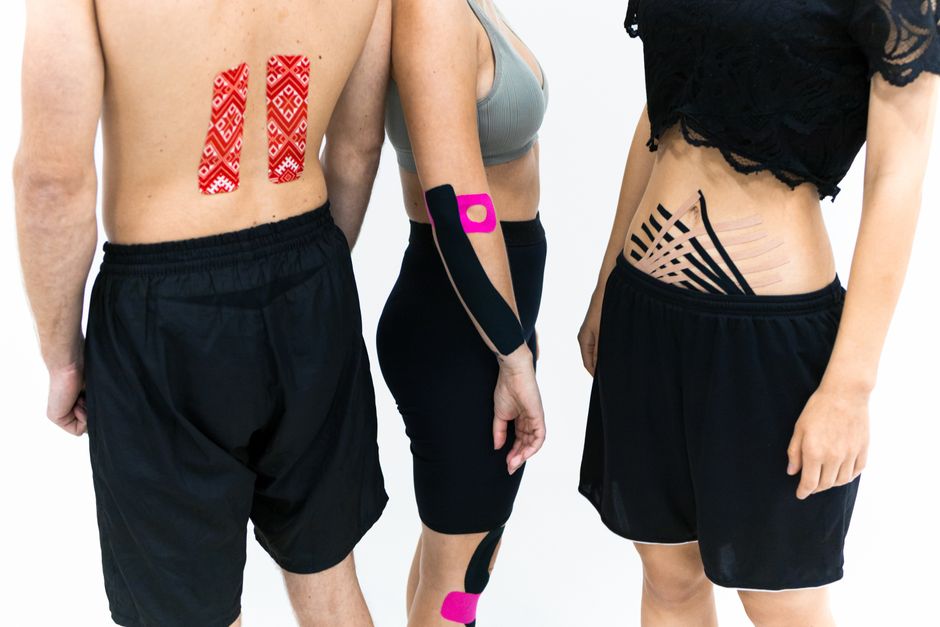
Kinesiology tape is a roadie favorite for protecting joints and promoting blood flow during long days. It can provide support to wrists, elbows or shoulders without the stiffness of rigid braces — important when you need full range of motion but still want injury prevention.
These small supports help you keep going without “pushing through” pain — which is a code for fucking yourself over in the long term.
5. Manage Van Travel Stiffness and Circulation
Hours spent locked in van seats is another unseen injury risk. Stiffness and poor circulation can make muscles prone to injury when you step out to load or unload heavy gear.
- Move every chance you get; even simple ankle rolls and finger stretches in the van help keep blood flowing.
- Hydrate consistently — skipping water on purpose then blaming “getting sick on tour” is ridiculous.
- Use tools like foam rollers or a lacrosse ball during van downtime to keep muscles pliable.
Applying a targeted CBD salve from brands like Joy Organics can also help soothe tight muscles and reduce inflammation before you hit the venue for load-out.
6. Be Mindful of Sleep Debt and Adrenaline Timing
Touring is exhausting. Sleep debt accumulates quickly and can impair coordination and strength, increasing your risk of injury during load-in and load-out. But adrenaline – while helpful to get you moving quickly – also masks fatigue and can lead you to try stuff your tired body shouldn’t.
Here’s what to keep in mind:
- Prioritize rest or restorative activities when possible to minimize fatigue.
- Recognize the difference between adrenaline-fueled “I can lift this” and actual muscular capacity.
- Use natural supplements like organic CBD tinctures from Joy Organics post-load-out to support recovery and better sleep.
Summary Table: Safe Load-Out Best Practices
Topic Action Benefit Tools/Tips Heavy Case Lifting Split cases two people Reduces fatigue lifting risk and control loss Clear commands, teamwork Ramp Use Use ramp load-out Safer for joints, less muscle strain Ramp availability check, proper footwear Lifting Mechanics Bend knees, keep case close, avoid jerks Prevents muscle strains & back injuries Kinesiology tape for support Repetitive Strain Prevention Instrument-specific stretches, lacrosse ball massage Improves circulation, reduces tendon strain Lacrosse ball, kinesiology tape Van Circulation Stretch frequently, hydrate Prevents stiffness and injury risk Hydration, foam rollers, CBD products Fatigue & Adrenaline Manage sleep debt, recognize limits Reduces injury likelihood Rest prioritization, CBD tincturesFinal Thoughts
Load-out may never be calm, but how you handle those heavy cases, manage your body mechanics, and respect your fatigue can spell the difference between surviving the tour or heading home injured early. Skip the macho “push through it” nonsense — touring is hard manual labor, not a party, and your body is your most valuable instrument.
If you take care of yourself by splitting heavy loads, using ramps, supporting muscles with kinesiology tape and lacrosse ball therapy, managing van stiffness, and prioritizing rest and hydration, you’ll not only get the gear out faster — you’ll also save yourself from the most common aches and injuries road warriors face.
For those looking to add an extra layer of recovery support, I recommend exploring natural remedies like the CBD products from Joy Organics. They help reduce inflammation and promote restful sleep without the grogginess of pharmaceuticals—key when you need to bounce back quickly and hit the road again.
Keep lifting smart, stay safe, and see you on the road.