How to Build an Alcohol-Free Evening Routine with Friends
After a demanding workday, meeting friends can feel like the easiest way to switch off. Often, though, the familiar plan involves a drink: a pub after work, wine at someone’s house, or a video call with something poured beside the laptop. If you want to change that pattern, the aim isn’t to make evenings joyless or to find a perfect replacement drink. It’s to work out what the drink was doing for you, then design a social routine that meets those needs in another way.
That distinction matters. A beer might mark the end of work, reward you for getting through a difficult day, give you permission to stop being productive, or add a particular taste and sensation to a social occasion. One drink can do several of those jobs at once. A convincing alcohol-free routine gives each job some attention, rather than relying on a different drink to carry the whole evening.
This guide is for anyone who wants to unwind with friends without alcohol, build more dependable alcohol-free plans, and find practical social alternatives to drinking. You don’t need to overhaul your social life. Start with one evening, make the plan specific, and see what works.
Start by asking: what job is the drink doing?
Before choosing a replacement, take a moment to identify the habit’s purpose. “I want to drink less” is a useful intention, but it doesn’t tell you what to do at 6.30 pm when you’re tired, your friends are messaging, and the old routine is ready to run.
For a week or two, notice when you tend to drink and what you’re hoping to get from it. You might jot down the situation, your mood, who you’re with, and what changed after the first drink. Don’t use the notes to judge yourself. You’re gathering information about the routine.
The habit job What it can feel like A routine element to try Transition “I need to leave work behind.” A clear end-of-work ritual, a short walk, or a change of clothes. Reward “I’ve earned something enjoyable.” A favourite meal, a game, music, or a genuinely appealing alcohol-free drink. Permission “Now I’m allowed to stop being useful.” A spoken end-of-day cue and an agreement not to return to work. Sensory experience “I want the flavour, fizz, warmth, or something to hold.” A drink served in a glass you like, a warm mug, or a shared food ritual.The new routine doesn’t need to copy alcohol. It needs to answer the same needs in a way you’re happy with. If the drink was mainly a transition, a mocktail alone may not do the job. If it was about flavour and the pleasure of sipping, choosing a drink you actually enjoy could be central.

Give the evening a deliberate shape
Habits are easier to repeat when the next step is clear. “We’ll see what happens” often leaves the old default in charge. A deliberate routine has a start, a shared activity, and a finish. It should feel flexible enough for real life, but specific enough that nobody has to invent the whole evening when they’re already tired.
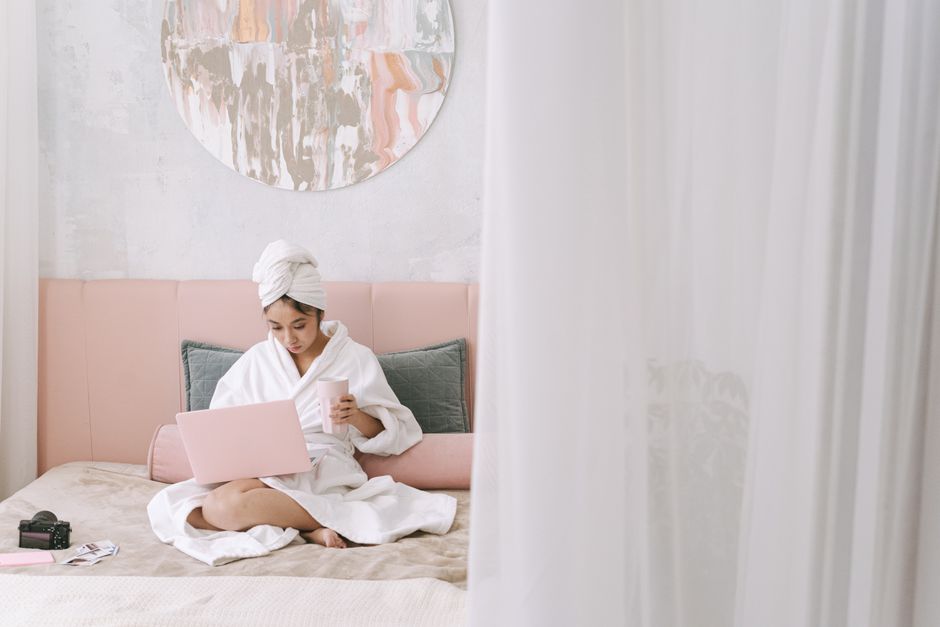
1. Choose the point where work ends
Remote work can blur the boundary between working and being at home. There may be no commute to separate the two, and the laptop can remain within reach throughout the evening. If you go straight from a call into social plans, your body may be at home while your attention is still in the office.
Set a visible end-of-work cue. For example: close the laptop at 5.45 pm, write tomorrow’s first task on a note, shut the work notebook, and put your phone on charge away from the sofa. Then change rooms or step outside for ten minutes before meeting friends. The point is not to create an elaborate wellness routine. It is to give the end of work a reliable marker.
If you work late, choose a realistic time rather than an ideal one. A repeatable 6.15 pm close is more useful than a 5.00 pm target you routinely miss. If something genuinely urgent comes up, decide how you’ll handle it rather than keeping the laptop open “just in case”.
2. Make the first social moment easy
The first https://bizzmarkblog.com/can-i-replace-the-evening-drink-with-cbd-and-still-keep-it-intentional/ few minutes can set the tone. Agree in advance what you’re doing and what will be available to drink. That might mean meeting for a walk, bringing ingredients for a shared supper, or making tea when friends arrive. You can tell the group, “I’m trying a few alcohol-free evenings, so let’s pick something where we’re doing an activity too.” There’s no need to offer a long explanation.
Plan an appealing first drink if the sensory part matters to you: sparkling water with citrus and herbs, a carefully made soft drink, or a favourite tea. Put it in a glass or mug that feels like part of the occasion. This is not about pretending it is alcohol. It’s about giving the evening a pleasant sensory start and making the option visible.
3. Put something in the middle of the evening
Conversation can be the activity, but it doesn’t have to carry the whole evening—especially if everyone is used to meeting in a pub. Choose something that gives people a shared focus: cook a new dish, play a board game, watch a film together, make a playlist, visit an exhibition, or take a walk followed by dessert. The activity doesn’t need to be impressive. It needs to make the plan feel like more than “not drinking”.
4. Set a natural finish
Decide roughly when you’ll wrap up. A finish time can protect sleep, make a weekday plan manageable, and reduce the sense that an evening must keep going until somebody suggests another round. A clear ending could be the last episode, the end of a game, or a cup of tea before everyone heads home.
Alcohol-free plans that still feel social
When you’re changing a familiar routine, https://smoothdecorator.com/signs-your-new-evening-ritual-is-becoming-unhealthy/ offer an alternative that has its own appeal. You’re not obliged to organise every gathering, but suggesting a concrete plan makes it easier for friends to say yes.
- Cook together: Pick a meal, divide up the ingredients, and make dinner the shared event. This adds a task to do together and a reward at the end.
- Walk and talk: Meet somewhere pleasant, choose a route, and finish with coffee, tea, or a snack. Movement can create a useful transition after sitting at a desk.
- Host a games evening: Choose a game before guests arrive and have snacks ready. A shared focus helps the evening find its rhythm.
- Try a daytime or early-evening plan: A museum, bookshop, cinema, class, or café can shift the social cue away from the usual drinking setting.
- Make a tasting night: Compare teas, alcohol-free drinks, chocolates, or snacks. Keep it about trying flavours together, not about finding a drink that must imitate alcohol perfectly.
- Plan a remote get-together: Pick a film, recipe, or simple game in advance, and agree on a start and finish time. Ask everyone to bring a drink or snack they like.
These are social alternatives to drinking, not tests of willpower. If you only meet friends in places where alcohol is the main event, try changing the setting for one of your regular catch-ups. You can still choose a pub or restaurant sometimes, but you may find it easier to practise a new pattern somewhere that offers activities or food as part of the experience.
Design the routine for the evening you actually have
A plan that works on a rested Saturday may fall apart after a difficult Tuesday. Build in a low-effort version for nights when you’re depleted. For example: close the laptop, change into comfortable clothes, order or prepare a simple dinner, and invite a friend for a short call or walk. A smaller plan you can repeat is more useful than a perfect one you avoid.
It can help to make a two-column plan before the week starts:
- When I have energy: meet a friend for dinner, cook together, or go to an event.
- When I’m tired: have a short walk, share a simple takeaway, or arrange a 30-minute call.
Keep the start cue and the social connection, even if the activity changes. That protects the parts of the habit that matter without demanding the same amount of effort every time. If plans change, make the next step specific: “I’ll message Sam at 6.30 and suggest a walk,” rather than “I should make more plans.”
Keep product choices grounded
Some people explore non-alcoholic drinks or wellness products as part of their evening routine. Treat these as optional additions, not as the foundation of the habit. A routine should still work if a particular product is unavailable, unsuitable, or not something you want to use.
For example, Joy Organics offers CBD products. If you’re considering a CBD product, don’t assume it will reliably help you relax, sleep, or manage a health condition; effects and suitability can vary, and health claims need careful scrutiny. Check the product’s status and ingredients, speak to a pharmacist or clinician if you take medication or have a health concern, and follow relevant UK guidance. CBD products sold as foods or supplements should not be presented as medicines, and CBD does not replace professional advice.
Where a company provides a QR code linking to lab results, use it as a starting point for checking what has been tested. Look for accessible lab results or certificates—often presented in a COA-style format—and check that the report corresponds to the specific product or batch. Read what the report actually measures, such as cannabinoid content and contaminant screening, rather than treating a QR code or certificate as proof that a product is right for you. If the information is unclear or unavailable, ask the company or choose not to buy.
The Coach Space can be one place to look for coaching support when you want help making a routine specific and workable. Coaching can help you clarify the habit’s purpose, identify barriers, and review what happened after you try a plan. It isn’t a substitute for medical care or specialist support, particularly if changing your drinking feels difficult or you’re experiencing withdrawal symptoms.
Make the change easier to repeat
For the first few attempts, remove unnecessary decisions. Send the invitation early, pick the activity, and have the first drink or snack ready. You might keep a short plan somewhere visible:
- At 5.45 pm, close the laptop and write down tomorrow’s first task.
- Change clothes or take a ten-minute walk to mark the transition.
- Meet a friend at 6.30 pm for a planned activity.
- Choose a drink you enjoy, without expecting it to do every job the old habit did.
- End the evening at an agreed time and note what you would keep or change next time.
Afterwards, review the routine with curiosity. Did the work boundary help? Was the activity engaging? Did you feel awkward at the start, then settle in? Was the plan too ambitious for the energy you had? Adjust one part at a time. You’re building evidence about what works for you, not aiming for a flawless evening.
A routine is a pattern, not a performance
Building an alcohol-free evening with friends is less about finding a perfect substitute and more about designing a sequence that meets real needs: a transition out of work, a sense of reward, permission to stop, and enjoyable sensory and social moments. Remote workers may need to create the commute boundary their day no longer supplies. Everyone may benefit from choosing a plan before the evening gets under way.
Start with one manageable invitation. Close the laptop at a set time, name the activity, and decide when you’ll finish. Then ask the useful question afterwards: what job was the old habit doing, and did this routine do it well enough? That’s how an evening becomes a repeatable option—not a rule you have to keep arguing with yourself about.