I Keep Seeing “Third-Party Tested” on CBD Labels. What Should That Mean?
“Third-party tested” sounds reassuring on a CBD bottle. But the phrase alone doesn’t tell you what was tested, when it was tested, or whether the results match the bottle in your hand.
For shoppers in South Florida and elsewhere, the practical next step is to look for a batch-specific certificate of analysis, or COA. A COA is a lab report listing what was found in a particular product sample. It can help you check CBD and THC amounts, screen for certain contaminants, and compare a label’s claims with test results. It is useful evidence—not a guarantee that a product is effective, safe for every person, or free of every possible contaminant.
Here’s how to read the claim, understand common CBD label terms, and know what a lab report can—and cannot—tell you.
What “third-party tested” should mean
In plain English, third-party lab testing means a company sent a sample to an outside laboratory that is not the product’s own in-house testing department. The lab analyzes the sample and reports its findings. Ideally, the report is tied to the specific batch or lot number printed on your package.

The outside-lab part matters, but it is not the whole story. A useful report should make it possible to identify the product, the tested batch, the date of testing, the lab, the methods used, and the results. A generic statement such as “tested for purity” is not a substitute for those details.
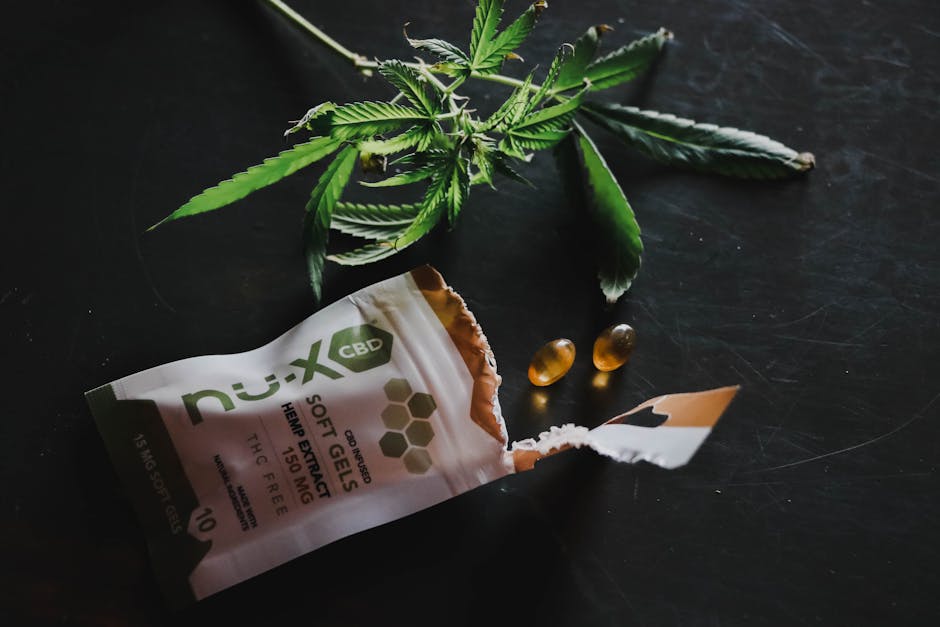
Look for a QR code or web address that opens the actual COA, not just a company’s general testing page. If the report is difficult to find, ask the seller or manufacturer for it. If you cannot connect the report to your bottle’s batch number, you cannot tell whether it https://smoothdecorator.com/what-quality-signals-should-i-look-for-when-buying-thc-free-cbd-online/ applies to your product.
A quick COA checklist
- Match the batch: Check that the batch or lot number on the product matches the number on the report.
- Check the product form: A COA for a tincture may not apply to a gummy, capsule, or topical product from the same brand.
- Check the dates: Note when the sample was tested. A report for an old batch does not establish what is in a newer one.
- Check the cannabinoid results: Look for CBD and THC measurements, not just a vague “pass” label.
- Check the contaminant panels: See which contaminants were tested for and whether the results are reported as numbers or as “not detected.”
- Check the lab details: The report should name the lab and explain, or link to, its testing methods. Accreditation can offer useful information about a lab’s competence, but it does not by itself prove that a product is high quality.
- Check what “not detected” means: It generally means the substance was below the lab’s detection limit, not necessarily that none exists.
A COA can be hard to interpret because labs may use different units, reporting formats, and detection limits. When a number or term is unclear, ask the manufacturer what it means rather than treating a green check mark as a full explanation.
What should a CBD product be tested for?
Testing depends on the product and how it was made. A cannabinoid panel measures compounds such as CBD and THC. Other common panels look for contaminants that can enter during growing, processing, or storage.
What the panel may check Why it matters What to look for on the report CBD and other cannabinoids Helps compare the product’s measured contents with its label claims. Named cannabinoids, measured amounts, units, and a clear link to the tested batch. THC Helps assess whether THC was detected and at what level. Which THC compounds were measured, the result, and the lab’s detection limit. Pesticides Checks for certain agricultural chemicals that may remain in plant material or extracts. The compounds included in the panel and the individual results. Heavy metals Hemp plants can take up metals from soil; testing checks for specified metals. Which metals were tested and whether results are below the stated limits. Microbes and mycotoxins Checks for certain microorganisms or toxins that can arise from contamination or poor handling. The organisms or toxins included in the test and their results. Residual solvents Checks for traces of solvents used during some extraction processes. The solvents tested and whether each result meets the lab’s stated threshold.Not every product is tested for every item in this table, and not every report uses the same panel. Read the actual list of tests. “Clean” is not a technical result unless the report says what was checked and gives a meaningful standard for comparison.
Extraction and refinement: why the process matters
CBD products begin with hemp and undergo extraction to separate desired plant compounds from the plant material. Manufacturers may then refine the extract to change which compounds remain. Extraction and refinement are not the same step: extraction obtains an extract; refinement further processes it.
These steps can affect the final mix of cannabinoids, aromatic compounds, and other plant components. They can also affect whether residues or unwanted substances are present. A brand’s description of its process—such as the extraction method it uses—can be helpful background, but it is not proof that the finished product has the claimed composition. That is where batch-specific testing matters.
Ask whether the company tests the finished product, rather than relying only on a test of the raw extract. A tincture, gummy, or capsule can have a different final composition from its starting ingredient. The most relevant COA is one that identifies the finished product and its batch.
Broad-spectrum, full-spectrum, and isolate: the basic differences
These terms describe the kinds of hemp-derived compounds a product is intended to contain. They are not a substitute for checking the COA, and the exact meaning can vary between manufacturers.
Label term What it generally means What to verify Full-spectrum An extract intended to retain multiple hemp compounds, including some THC. Check the COA for the measured THC amount and other listed cannabinoids. Broad-spectrum An extract intended to include multiple hemp compounds while having THC removed or reduced. Check whether THC was detected and what the lab’s detection limit is. “Broad-spectrum” alone does not prove zero THC. CBD isolate A highly refined ingredient intended to contain CBD with few or no other cannabinoids. Check the cannabinoid panel and remember that the finished product may include other ingredients.Some labels use “full-spectrum” or “broad-spectrum” as marketing terms without explaining the cannabinoid profile. Treat them as a starting point for questions, not as lab results.
What people mean by the “entourage effect”
The entourage effect is the idea that cannabinoids and other hemp compounds may influence one another when present together. Put simply, it is a proposed interaction among plant compounds—not proof that a particular blend works better than CBD alone.
The idea is often used to promote full-spectrum or broad-spectrum products. But a product’s spectrum does not establish that it will provide a particular benefit, and a COA does https://bizzmarkblog.com/cbd-and-medication-interactions-what-should-i-ask-my-doctor/ not test whether the entourage effect occurs. Shoppers should be wary of claims that present this theory as a guaranteed result or a reason to choose one product for a medical condition.
“THC-free” and drug testing: read the claim carefully
Many shoppers seek THC-free products, including people concerned about workplace drug testing. That concern deserves a straightforward answer: a label saying “THC-free” cannot guarantee that a product contains absolutely no THC or that using it will not affect a drug test.
Some products marketed as THC-free may contain THC below a testing method’s detection limit. Others may contain more than expected because of variation in ingredients, manufacturing, or labeling. Drug tests and laboratory methods also differ. No COA can promise a particular person will pass a drug test.
If avoiding THC is important to you, review a current, batch-specific COA and check whether it includes the relevant THC measurements. Pay attention to “not detected” results and the detection limit. Even then, there is uncertainty. The most cautious choice for someone who cannot risk a positive test is to avoid CBD products, because trace THC and testing outcomes cannot be ruled out reliably.
Why CBD labels became more familiar after 2018
The 2018 Farm Bill changed the federal definition of hemp by removing hemp from the federal Controlled Substances Act’s definition of marijuana, subject to the law’s criteria. That shift helped hemp-derived products, including CBD, move into more mainstream retail conversations. It did not amount to FDA approval of every CBD product or make every label claim reliable.
Rules can depend on the product and how it is marketed. A product sold as a wellness item is not automatically proven effective, and claims to treat or cure disease raise different regulatory concerns. When evaluating a bottle, keep the basic question in view: Can the company support what it says with information about this specific product and batch?
Common label mistakes—and how to avoid them
Assuming a QR code means the product passed
A QR code is only a shortcut. Open the report and check the batch, date, product type, results, and test panels.
Treating “third-party tested” as a quality score
It tells you that outside testing is claimed, not that every result is favorable or that the product is right for you. Look at the findings.
Taking “THC-free” literally
Ask what the company means by the phrase and check the COA’s THC results and detection limits. Do not treat the wording as a drug-test guarantee.
Relying on an ingredient’s report for the finished product
A test of raw extract does not necessarily establish what is in the final tincture, edible, or capsule. Look for a report tied to the finished product’s batch.
Ignoring price information when comparing products
If a retailer page or scraped article lists no product prices, do not guess or treat the products as price-comparable. Prices vary by seller, size, formulation, and date. Check the current listing directly, and compare the amount of CBD per serving and per container alongside the cost. A higher price does not prove better testing or quality.
A practical way to shop
- Find the batch or lot number on the package.
- Open the COA and confirm that the batch and product form match.
- Review CBD and THC results, including the lab’s detection limits.
- Check which contaminant panels were run, rather than relying on a broad “tested” claim.
- Read the spectrum and “THC-free” wording as claims to verify—not as guarantees.
- Ask the company for missing information. If it cannot provide a relevant report, consider another product.
Finally, CBD may interact with medications, and product labels do not replace medical advice. If you take prescription medicine, are pregnant or breastfeeding, or have a health condition, talk with a qualified health professional before using it.
“Third-party tested” is a useful starting point, but the evidence is in the details. A current certificate of analysis tied to the exact batch can help you see what was measured and what the lab found. It cannot promise a benefit or eliminate every risk—but it gives you something concrete to check before you buy.