Is It Normal That CBD Feels Like Nothing but Still Helps My Routine?
If you’ve recently started incorporating CBD into your daily routine but find that it feels like nothing, yet somehow it still seems to support your sleep, anxiety management, or overall wellness, you’re not alone. Many users report this paradox: no overt “high” or obvious change, but a subtle, positive effect over time. Understanding why this happens involves unpacking what CBD actually is, how it’s different from THC, how dosing and expectancy come into play, and what the science says about its benefits.
CBD Basics and THC Distinctions
Cannabidiol (CBD) is one of many cannabinoids found naturally in the hemp plant. Unlike its infamous cousin tetrahydrocannabinol (THC), CBD does not produce a psychoactive “high.” This is a crucial difference that many newcomers misunderstand. While THC acts directly on the CB1 receptors in the brain to cause euphoria, CBD’s mechanisms are more subtle and complex, interacting with serotonin and other receptor systems that influence mood, anxiety, pain, and inflammation.
Because of this, it’s perfectly normal for CBD to feel like nothing in the traditional sense of a noticeable immediate effect. Instead, users might experience what can be called a “ritual effect”—where the act of taking CBD itself becomes a habitual, comforting part of their daily regimen that supports mental and physical well-being.
The Hemp Legality and the 0.3% THC Threshold
Legally, for a product to be considered hemp-derived (and thus federally legal in the US), it must contain less than 0.3% THC by dry weight. This limit ensures that CBD products available from reputable companies like Joy Organics are non-intoxicating.
This THC threshold is also recognized by key organizations like the World Anti-Doping Agency (WADA), which permits athletes to use CBD but bans THC because of its performance-altering effects. Because most commercial CBD products comply with this standard, you will not experience the “high” associated with marijuana, even if you consume a full serving or multiple servings.
What Does the Science Say About CBD’s Effects?
Anxiety, Sleep, and Performance: Evidence Strength
The scientific community has been cautiously optimistic about CBD, especially in three main areas: anxiety, sleep, and athletic performance. However, the strength and quality of evidence vary:
- Anxiety: Probably the most robust data exists here. Some randomized, placebo-controlled trials suggest that acute CBD doses (e.g., 300-600 mg) can reduce public speaking anxiety and social anxiety. However, these effects do not always translate directly to daily low-dose use from gummies or tinctures.
- Sleep: Evidence is mixed but promising. CBD may help improve sleep quality by addressing underlying anxiety or pain. Long-term studies are limited, and the ideal dosing window for sleep improvement is still unclear.
- Performance: Data is sparse. Some athletes use CBD as a recovery aid or to reduce inflammation and stress, but solid clinical trials are lacking. WADA’s stance permits CBD but bans THC to avoid unfair advantage.
It’s worth noting that many clinical trials use much higher doses than what you find in typical over-the-counter products. This brings us to an important point about dosing.
The Dosing Mismatch: Studies vs. Retail Gummies
Source Dose Used in Clinical Studies Typical Retail CBD Dose per Serving Implications Anxiety Clinical Trials 300-600 mg, sometimes up to 900 mg 10-25 mg (per gummy) Most gummies provide doses well below study levels, possibly explaining why effects feel subtle or “invisible.” Sleep Studies 40-160 mg 10-25 mg Lower doses might still benefit sleep but effects can take time or rely on habit formation.So if you’re eating one or two CBD gummies a day, the milligram amount is often far less than the doses tested in clinical environments. This dosing mismatch can contribute to why you might not feel “something” immediately but still sense a subtle benefit over days or weeks.
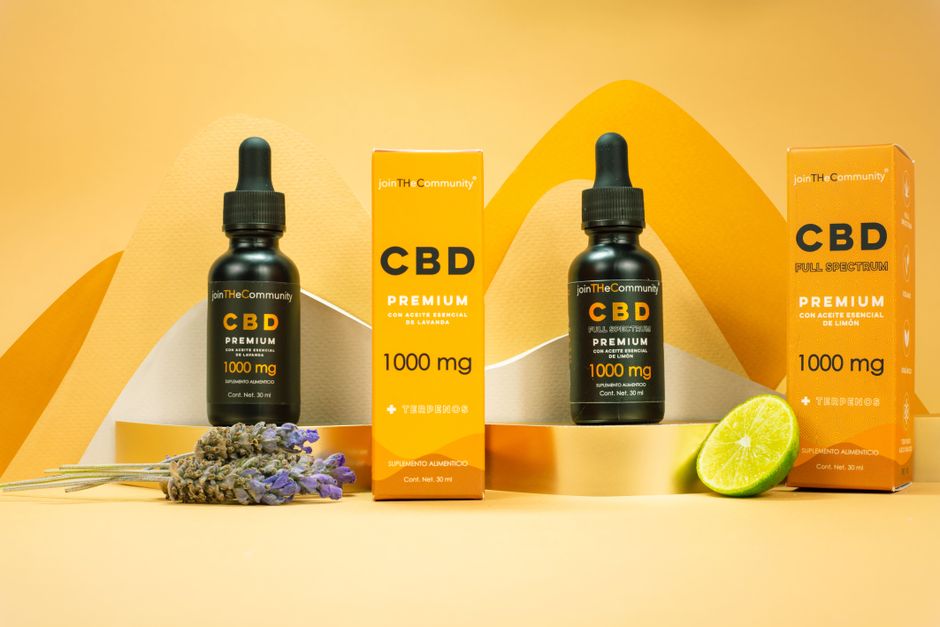
Ritual and Expectancy Effects
There’s a psychological dimension too: CBD use in itself can function as a sleep habit trigger or calming ritual. Just like readers who find that “reading before bed” or “stretching after work” helps them wind down, taking CBD regularly may condition your brain to relate the act of dosing with relaxation and improved sleep. This is the ritual effect.
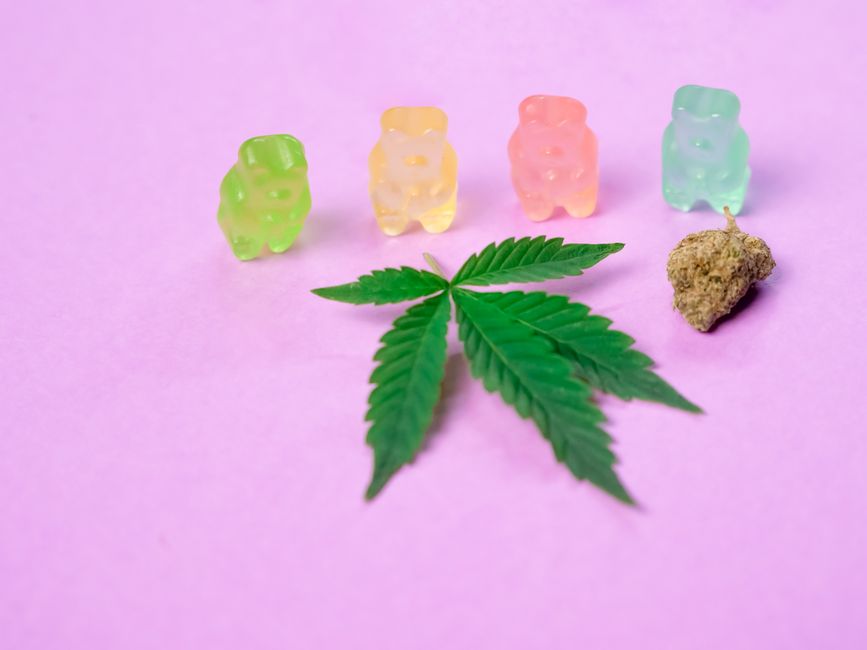
Also, expectancy effects—the belief that something will work—play a huge role in how supplements affect us. If you expect a calming effect from CBD, your brain may amplify subtle cues or body sensations, reinforcing the perceived benefit even if the pharmacological action is mild at your dose.
How to Approach CBD Use Mindfully
Given all this, here are some pro tips to ensure you get the most out of your CBD routine, without falling into common pitfalls:
- Check the Batch Lab Report: Companies like Joy Organics provide Certificates of Analysis (COAs) showing actual cannabinoid levels and confirming < 0.3% THC. Always review these to verify potency and purity.
- Understand Your Dose: If your goal is managing anxiety or sleep, consider that clinical effects usually showed up at higher milligram doses than your gummies might provide. You can build up slowly, but know there’s likely a threshold before strong effects appear.
- Use CBD as Part of a Ritual: Incorporate CBD into a consistent, calming pre-bedtime routine to leverage the power of habit and expectancy.
- Manage Expectations: Remember CBD is not a magic bullet; it may produce subtle shifts over time rather than dramatic immediate changes.
- Consult the FDA Stance: While CBD is broadly legal under hemp laws, the FDA currently does not approve it as a dietary supplement or therapeutic drug (except in prescription form for epilepsy), so be wary of bold health claims unsupported by data.
- Be Aware of Drug Interactions: CBD can interact with medications, especially those processed by your liver’s cytochrome P450 enzymes.
Summary: Is It Normal That CBD Feels Like Nothing but Still Helps?
Yes, it's absolutely normal. CBD’s non-intoxicating nature, the legal THC limits, the low doses in many over-the-counter products, and your own psychological conditioning all combine to create a subtle but meaningful impact. The ritual effect and expectancy effects help cement CBD into your routine as a calming and supportive habit, even if you don't feel a wave of change right after each dose.
If you want to optimize your experience, track your dosing, review lab reports, and build a consistent routine. Quality tribality.com providers like Joy Organics who transparently share their third-party testing results can help ensure you’re getting the product you pay for and not just “empty promises.”
Finally, keep an eye on future research and regulatory updates from the FDA and international watchdogs like the World Anti-Doping Agency. The science and legal landscape around CBD are evolving fast, and staying informed will help you enjoy the best possible outcomes with minimal guesswork.
Enjoy your wellness journey! Remember, subtlety in effects is a feature, not a bug, and sometimes the best supplements are those that quietly support your daily habits without headline-grabbing highs.