What Are the Best First Steps If I've Had Knee Pain for Over 3 Months?
If you're reading this and nodding along because your knee has been nagging you for more than three months, you're not alone. Football culture, especially in the lower leagues, has a long history of pushing through pain and hiding injuries.
Unfortunately, this approach often backfires, leading to long-term issues like osteoarthritis or persistent pain that won't quit. In this post, we'll break down why chronic knee pain happens, how the football stigma around reporting it makes things worse, and—most importantly—the first practical steps you should take right now to manage it effectively.
The Football Culture Around Knee Pain: Why the Stigma Exists
Having spent over a decade in dressing rooms and rehab bays, I've seen countless players tough it out rather than speak up about pain. The mantra of "no pain, no gain" or "man up" still echoes in many clubs. Players often worry about being seen as weak or letting the team down. cannabinoids in-competition ban Coaches sometimes unintentionally punish those who report pain by limiting their game time or opportunities. This creates a toxic cycle where injuries are ignored until they become career-threatening.
But here's the blunt truth: ignoring persistent knee pain rarely helps. It often means the underlying problem worsens, making recovery longer and harder. Chronic knee pain isn't about a single injury anymore—it's about what happens when your body tries to cope and repair but doesn't get it quite right.
Understanding Chronic Knee Pain: The Science Behind It
Before jumping into treatment options, it's crucial to understand why knee pain lingers beyond the usual healing time of about 6–12 weeks. Several key mechanisms come into play:
- Imperfect Healing: Soft tissues like cartilage, ligaments, or tendons don’t always fully repair after an injury. Sometimes scar tissue or weak spots persist, meaning pain can linger even if the original injury "looks healed."
- Cumulative Loading: Your knee handles a ton of weight and force daily. Over months or years, repetitive stress from running, turning, jumping, or even walking can wear down cartilage or irritate structures inside the knee, causing ongoing pain.
- Central Sensitisation: This is a fancy way of saying your nervous system goes on high alert. The brain starts to 'overreact' to signals from the knee, making the pain worse or more persistent, even if the tissue damage is minimal.
All these factors mean that chronic knee pain is complex and needs more than just “rest” or “putting ice on it.” It requires a targeted and active approach.
Long-Term Risks: Why You Can't Just Ignore Chronic Knee Pain
Letting knee pain fester isn’t just uncomfortable; it increases the chance of more serious problems down the line. The biggest concerns for footballers and active folks are:
- Osteoarthritis: Wear and tear on your knee joint can lead to arthritis over years, causing stiffness, swelling, and loss of function.
- Persistent Pain Syndromes: If central sensitisation takes hold, pain can become chronic and less responsive to normal treatment, mixing physical and psychological challenges.
- Reduced Mobility & Quality of Life: Eventually, the pain and stiffness can limit your ability to play, train, or even do everyday tasks.
Bottom line: early and proper management is your best bet for avoiding these outcomes.

Best First Steps to Take When Knee Pain Lasts Over 3 Months
If you're dreaming of just "resting it out", stop right there. Chronic knee pain needs a different game plan. Here's what I recommend as your first practical steps:
1. Get a Proper Pain Assessment
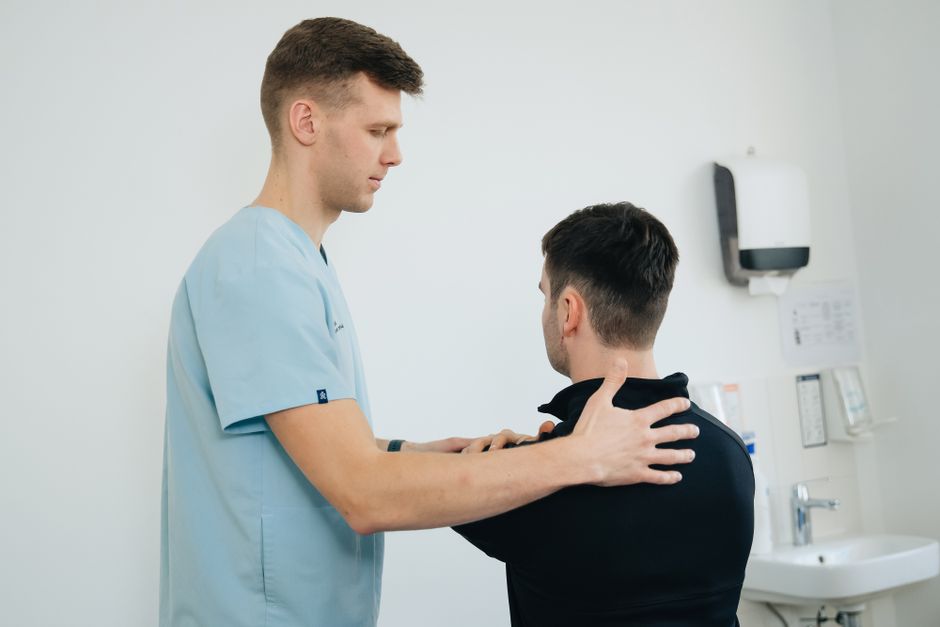
Don't dismiss your pain or try to guess what's wrong. Getting a thorough assessment from a qualified professional is crucial. This starts with a visit to your GP or a sports/ MSK physiotherapist.
- What to expect: They’ll ask detailed questions about your symptoms, what worsens or eases the pain, and any changes in your activity or lifestyle over the past few months.
- The key question I always ask: "What changed in the last six weeks?" Even small changes, like switching boots, increasing training load, or a new job involving more standing, can explain a flare-up.
- Physical exam: Tests of your knee’s range of motion, strength, swelling, and stability to see where the problem lies.
Importantly, don’t settle for vague advice like "just rest and see." You need a personalised plan based on what they find.
2. Seek a GP Referral for Physiotherapy (Physio Referral)
In the UK, your GP can refer you to an NHS physiotherapist, usually free of charge, which is great if budget is a concern. Physiotherapists specialise in musculoskeletal problems and can guide you through evidence-based rehabilitation exercises.
- Why physio? Because active rehab—meaning exercises you do regularly to get stronger and more mobile—is the cornerstone of recovery from chronic knee pain.
- What you’ll work on: Graded strengthening, improving joint control, and correcting movement patterns that may be putting extra strain on your knee.
- Don’t expect magic: Physio isn’t a quick fix. It’s about steady progress, ideally with weekly or fortnightly supervision initially, then more independent work.
3. Consider Private Clinic Pathways for Specialised Treatments (including Medical Cannabis)
If your pain persists despite standard physiotherapy or if you want to explore additional pain management options, some private clinics now offer multidisciplinary pathways, including access to medical cannabis.
- Medical Cannabis in Pain Management: Although still controversial and carefully regulated, medical cannabis is increasingly used in some cases to help with chronic pain relief, especially where standard medications haven’t helped.
- How it works: It may reduce pain perception and inflammation but is usually one part of a wider rehab plan, not a standalone cure.
- Access & Legality: Check the UK Anti-Doping (UKAD) rules if you're an athlete; the [UKAD website](https://www.ukad.org.uk/) has guidance on what’s allowed and how to stay compliant.
You ever wonder why if you're considering this route, speak to your gp or a specialist who understands the risks and benefits and can guide you through the process safely.
Active Rehab: Why Movement and Strength Matter
The biggest enemy of chronic knee pain is inactivity. Your instinct might be to protect and avoid bending or loading the knee. However, degenerating joints and sensitised nerves get worse if you don’t challenge them gradually.
What is graded exercise? It means starting with small, manageable amounts of movement and gradually increasing the load and complexity as your knee gets stronger.
Strengthening exercises focus on muscles around the knee and hip — like the quadriceps, hamstrings, and glutes — to support the joint better and reduce strain on damaged tissues.
Typical exercises include:
- Quad sets: tighten your thigh muscles with your leg straight, hold, and relax
- Mini squats or sit-to-stand exercises
- Step-ups on a low platform
- Glute bridges
- Resistance band work for hip stability
Physio will tailor these to you, but you can expect a progression plan over weeks to months. The key is consistency—these routines work if you stick with them.
Useful Resources and Tools
Resource Description Link UK Anti-Doping (UKAD) Official guidance on medication rules for athletes, including medical cannabis. https://www.ukad.org.uk/ NHS Physio Referral How to get referred to NHS physiotherapy for musculoskeletal pain. https://www.nhs.uk/service-search/physiotherapy Private Clinic Pathways Some specialist clinics offer multidisciplinary approaches, including access to medical cannabis where appropriate. Contact your local private MSK clinics for details.Wrapping It Up: No More Dodgy Knees Hidden in the Drawer
If you've been limping, strapping, or just putting up with knee pain for over three months, now's the time for more than just hope and rest. Most important first steps include:
- Getting a proper assessment from your GP or physio.
- Referring yourself or asking for a GP referral to physiotherapy for active, graded rehab.
- Considering specialist private clinics for advanced pain management if you hit a roadblock.
- Avoiding myths like "rest will fix it," and instead committing to consistent exercise and strengthening.
Football is a tough sport, and so are we players, but ignoring pain is just kicking problems down the line. Take control now, because the best long-term outcomes come from early and informed action, not silence or suffering in private.
Got questions? Drop them in the comments or chat with a trusted physiotherapist. Your knees—and your future self—will thank you.