What Does It Mean If the COA Is for a Different Batch Number?
A certificate of analysis (COA) is a laboratory report for a particular sample of a hemp or CBD product. It can show cannabinoid levels and, depending on the tests ordered, results for contaminants such as pesticides, heavy metals, residual solvents, or microbes. The batch or lot number connects that report to a particular production run.
If the number on your bottle does not match the number on the COA, the report may not verify the product you have. That does not automatically mean the product is unsafe or fraudulent: a labeling error, an outdated link, or a manufacturer’s batch-numbering convention could explain the discrepancy. But until the company clarifies it with documentation, you cannot confidently treat that COA as evidence for your bottle.
This guide explains what a coa wrong batch or batch mismatch cbd can mean, how to check the paperwork, and what to do when a lab report not matching your product leaves important questions unanswered.
Why the Batch Number Matters
A COA is meaningful only when you can connect it to the item being sold. A report for another batch may reflect a different harvest, formulation, manufacturing date, or production run. Even if thedailynewsonline two products have the same name and strength, their results are not automatically interchangeable.
Think of a batch number as a product’s paperwork link—not a guarantee of quality on its own. A matching number helps establish that the lab tested a sample associated with the same lot as your bottle. It does not prove every bottle in the lot was individually tested, nor does it make the lab’s methods or results infallible. Still, without a credible connection between the report and the bottle, the COA offers limited reassurance.
Common Reasons for a COA Batch Mismatch
There are several possible explanations. Some are fixable administrative problems; others may signal that the seller cannot substantiate what it is selling.
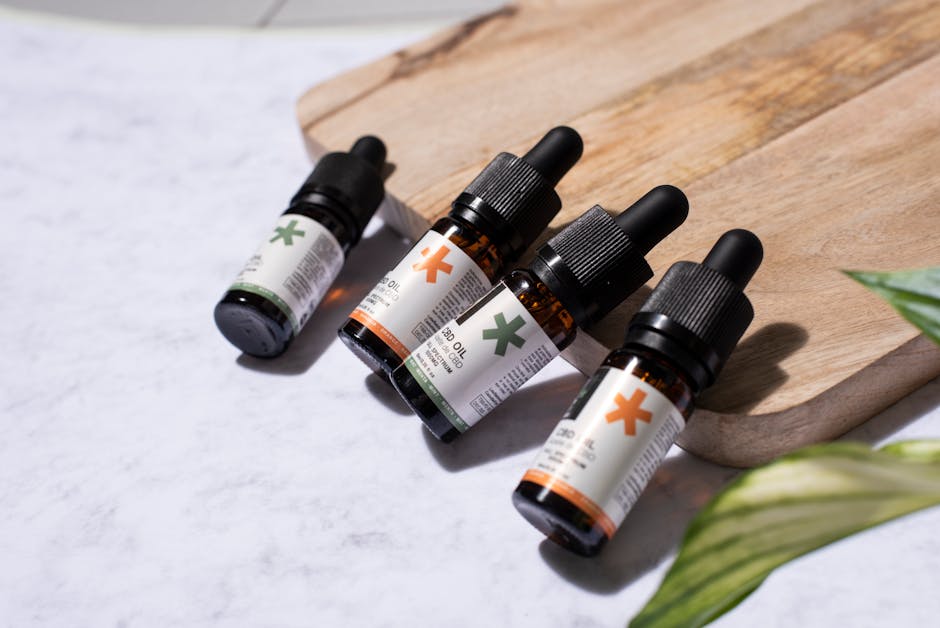
- Old or incorrect QR-code link: The packaging may point to a report from an earlier production run, or a web page may not have been updated.
- Labeling or printing error: A lot number may have been printed incorrectly on the bottle or carton.
- Different naming conventions: A company may use one code for the finished product and another for the bulk extract. It should explain the relationship clearly and provide documentation connecting them.
- Shared report for multiple lots: A seller may say several lots were represented by one sample. Ask how the lots were combined, what was tested, and whether the lab report identifies that sampling approach.
- Unrelated or incomplete documentation: The seller may have a valid COA for a similar product, but not for the exact formula or lot you purchased.
A quick explanation from customer service is not the same as evidence. Ask for a corrected report or a written explanation that identifies your exact product, its lot number, the sample tested, and the lab report that applies.
How to Check Whether the COA Matches Your Product
- Find the batch or lot number on the package. Check the bottle, carton, bottom label, or a small ink-stamped area. Photograph it so you have a record.
- Open the report itself. A QR code on packaging linking to lab report document can be convenient, but scan it and confirm that it opens the actual report—not just a company homepage or a generic product page.
- Compare the identifiers. Look for the batch or lot number on the COA. Check the product name, formulation, strength, sample date, and report date as well. A matching product name alone is not enough.
- Check that the report is complete and readable. Look for the laboratory’s name, test methods or analysis sections, results, and any notes about the sample. If the document is cropped, blurry, or missing pages, request a complete copy.
- Contact the manufacturer or seller. Provide the product name and lot number, and ask for the COA tied to that specific lot. Keep the response and any replacement document.
- Verify the connection independently where possible. Some companies offer a batch/lot number matching system on their website. Enter the number exactly as printed and make sure the result identifies your formula and strength. If the system gives only a general product page, ask for the batch-specific report.
Do not assume that a report is current just because a QR code works. Links can be reused or left unchanged. A useful QR code should take you directly to a batch-specific lab report document, or to a lookup page that clearly retrieves the report for the lot on your package.
Read the Numbers Carefully: Per Bottle Is Not Per Serving
One common source of confusion is the difference between the total amount in the bottle and the amount in a serving. A front label may prominently display a large milligram number, but that number may describe the entire bottle—not each dropperful or serving.
For example, a 1,000 milligram tincture in a one ounce bottle is roughly 30 servings, about 33 milligrams per serving, assuming the serving size is one milliliter and the bottle contains about 30 milliliters. The math is approximately 1,000 mg ÷ 30 servings = 33 mg per serving. Always check the product’s stated serving size; droppers and serving directions can vary.
Label or report detail What it tells you What to check Total milligrams per bottle The stated amount in the whole container Whether the figure means CBD specifically or a broader cannabinoid total Milligrams per serving The amount in the manufacturer’s recommended serving Serving size in milliliters, drops, or another unit COA cannabinoid results Amounts detected in the laboratory sample Units, product type, batch number, and whether results are per gram, per milliliter, or per packageCompare like with like. A COA may report concentration per gram or milliliter, while the package makes a claim for the whole bottle. If the math is unclear, ask the company to show how the lab result supports the label claim.
“Total Cannabinoids” Is Not the Same as a Clear CBD Claim
Some labels emphasize “total cannabinoids” without stating how much CBD the product contains. That phrase can include CBD and other cannabinoids, depending on the formula and how the company calculates the total. It does not tell you the CBD amount by itself.
Look for a specific CBD quantity on the label and in the COA. The report should identify cannabinoids individually where applicable, rather than relying only on a combined total. If the label claims 1,000 mg of CBD but the COA lists only a total cannabinoid figure without a CBD result, ask for clarification. If the company cannot provide a batch-matched report with a clear CBD result, consider choosing a product with more transparent labeling.
Watch for Hemp Seed Oil Bait-and-Switch Language
“Hemp” is not always synonymous with CBD. Hemp seed oil is made from the seeds and is commonly used as a food or carrier oil. CBD is generally obtained from other parts of the hemp plant. A product that says “hemp oil” or features a hemp leaf is not necessarily a CBD product.
Check the ingredient list and the cannabinoid information. If you are shopping for CBD, the label should clearly identify CBD or cannabidiol and state the amount. A COA that reports no CBD—or a report for a different batch—does not establish that the bottle contains the CBD amount you expected. Be especially cautious of packaging that uses hemp imagery or broad “hemp extract” language without a clear, batch-specific cannabinoid breakdown.
Full Spectrum, Broad Spectrum, and Isolate
These terms describe different kinds of hemp extracts, but definitions and labeling practices can vary. They are not substitutes for checking the COA.
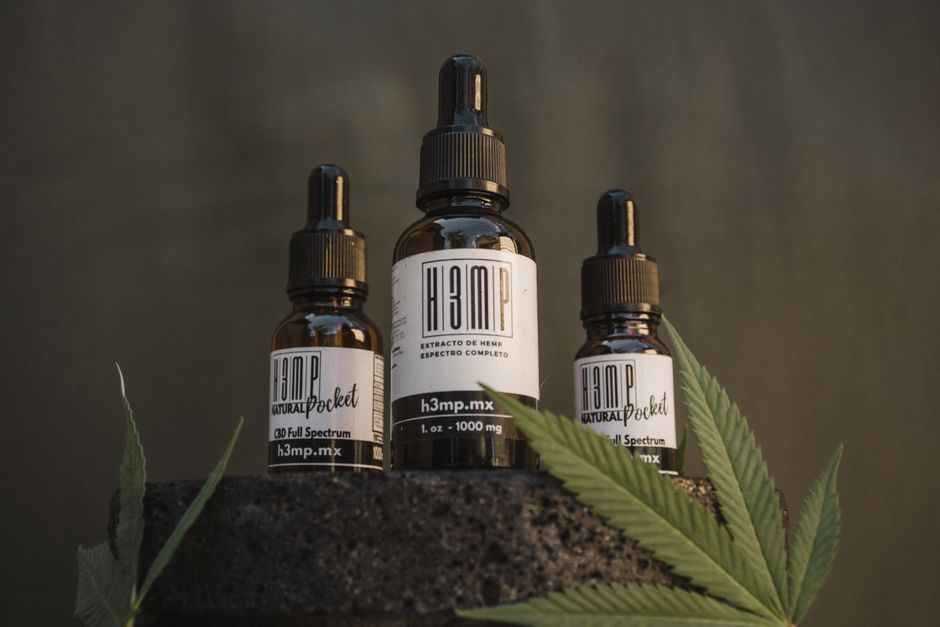
- Full spectrum: Usually refers to an extract intended to retain CBD along with other naturally occurring hemp compounds, potentially including a small amount of THC. Check the report for the actual cannabinoid profile and THC result.
- Broad spectrum: Generally refers to an extract containing CBD and other compounds, with THC removed or reduced to a non-detectable level according to the report’s method and detection limit. “Non-detect” does not necessarily mean absolute zero.
- Isolate: Usually means CBD has been separated from most other hemp compounds. The COA should show a cannabinoid profile consistent with the product claim.
Do not infer the product type from marketing language alone. If a bottle says “broad spectrum” but the matching COA lists measurable THC, ask the manufacturer to explain the result and its reporting limits. If the COA is for another lot, it cannot settle the question for your bottle.
What to Ask the Company
Keep your message simple and specific. For example:
- “The lot number on my bottle is [number], but the COA shows [different number]. Can you provide the report for my exact lot?”
- “Does this COA apply to this product’s exact formula and strength?”
- “Does the milligram claim refer to CBD per bottle, total cannabinoids per bottle, or CBD per serving?”
- “Can you explain how the reported lab values support the amount stated on the label?”
- “If this report covers multiple lots, how were the samples collected and how is my lot connected to the test?”
A trustworthy response should be clear, document-based, and consistent. A vague assurance that “all batches are the same,” a broken QR link, or a promise that the product is “lab tested” without the relevant report does not resolve a batch mismatch.
When to Pause or Choose Another Product
If the manufacturer cannot provide a matching COA, consider pausing use or choosing a product with traceable, batch-specific documentation. This is particularly sensible if the label makes a strong CBD claim but the available paperwork does not identify CBD, or if the COA and package disagree about the product type or cannabinoid results.
Companies such as Joy Organics may publish product testing information, but do not rely on a brand name alone: check the report for the specific product and lot you are considering. The same standard applies to products discussed in consumer coverage. A review or article—including reporting from The Daily News at thedailynewsonline.com—or an audio version distributed through Trinity Audio can help you discover a product, but neither is a substitute for the matching lab document.
Finally, remember that a COA is one piece of information, not a medical endorsement or a guarantee of results. Be wary of packaging or sales copy that promises to diagnose, treat, or cure a condition. For questions about CBD use, medication interactions, or health concerns, consult a qualified healthcare professional.
The Bottom Line
A different batch number means the COA may not verify the bottle in your hand. It could be a clerical issue, but the company should be able to connect the product’s lot number to a clear, relevant report. Confirm the batch, distinguish CBD per serving from milligrams per bottle, look for CBD-specific disclosure rather than only “total cannabinoids,” and make sure the stated extract type matches the report. If the paperwork still does not line up, treat the uncertainty as a reason to ask more questions—or shop elsewhere.