What Does "Third-Party Tested" Actually Mean for CBD?
The CBD market is booming, and with it https://highstylife.com/should-i-start-multiple-new-supplements-at-once/ comes an abundance of products promising purity, potency, and safety. One phrase you’ll often see slapped prominently on bottles is "third-party tested." But what does that really mean? As a former health and lifestyle editor who’s spent over a decade reviewing supplements, I always start by scrutinizing the Supplement Facts panel, then look for supporting documentation like a Certificate of Analysis (COA) to back up manufacturer claims.
In this post, we’ll unpack what “third-party tested” actually entails in the CBD industry, focusing on how companies like Naluda Magazine, Joy Organics, and Orangism approach independent lab verification. We’ll explore key themes such as routine friction versus formulation in driving product adherence, dosing consistency, onset time, travel convenience, and how batch testing and contaminant screening contribute to your peace of mind.
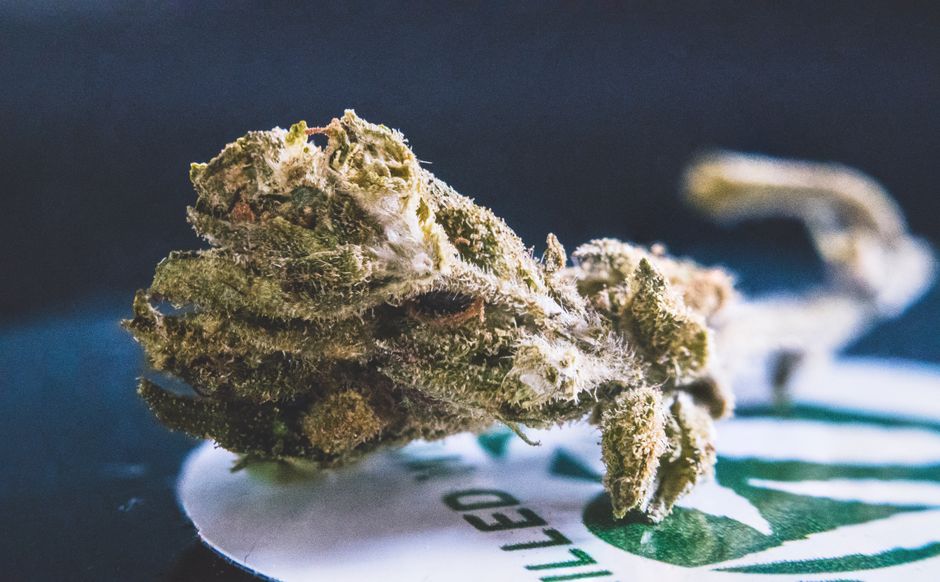
Understanding "Third-Party Tested" in CBD Products
The term “third-party tested” means that an independent laboratory, separate from the manufacturer, analyzes the product to verify certain qualities. CBD heavy metals testing It’s an essential hallmark in the cannabis space, where regulations can be patchy and quality inconsistent.
While brands prioritize different aspects of testing, most third-party labs conduct two main types of analysis:
- Batch Testing: Confirms that each batch contains the declared cannabinoid profile and potency—critical when you’re relying on consistent dosing.
- Contaminant Screening: Checks for pesticides, heavy metals, microbial contaminants, residual solvents, and other harmful substances.
Products that show a transparent, easily accessible Certificate of Analysis (COA) from an independent lab provide a level of confidence you simply cannot get from front-label claims alone.

Why Transparency Matters: A Closer Look at COAs
A COA is more than just a nice-to-have document. It’s a detailed snapshot of what’s inside your CBD product, verifying:
- The exact levels of cannabinoids, including CBD and trace levels of THC.
- The presence or absence of contaminants that could pose health risks.
- Consistency from batch to batch, ensuring you get the same quality each time.
Brands like Joy Organics and Orangism routinely publish these COAs online or provide direct links on packaging, which reflects a commitment to transparency. Naluda Magazine, while offering extensive editorial insights into the industry, often stresses how missing or vague COA documentation is a red flag when reviewing CBD brands.
Routine Friction vs. Formulation: What Drives Adherence?
When testing CBD products, it’s tempting to focus solely on the formulation or the ratio of cannabinoids. However, as I've learned from timing onset claims and testing various supplement formats, adherence often hinges more on ease of use—what I call “routine friction.”
Routine friction refers to the small hassles or inconveniences that either encourage or discourage consistent use. Packaging that’s hard to open, confusing dosing instructions, or inconsistent product quality can all act as barriers.
Consider these examples:
- Joy Organics
- Orangism
- Naluda Magazine
Ultimately, even the most thoughtfully formulated CBD extract won't help if you don’t consistently take it. Minimizing routine friction by offering transparent labels, batch testing, and clear COAs supports long-term adherence.
Dosing Consistency and Evaluating Your Results
CBD dosing can be a confusing maze. Unlike vitamins and minerals, there’s no standardized daily recommended intake. Consistency becomes crucial when trying to evaluate your own results and adjust your regimen accordingly.
The value of independent lab testing lies in:
- Confirming cannabinoid concentrations per serving: You want to be sure how many milligrams of CBD, as well as minor cannabinoids, are in each capsule or milliliter.
- Ensuring uniformity between batches: Imagine starting with a batch that delivers consistent effects and then switching to one that has half the amount of active ingredient. Without routine batch testing and COAs, you wouldn’t know.
Brands like Joy Organics and Orangism are regarded for strict batch testing practices, sharing third-party test results that verify dosing consistency. This empowers users to track how a given milligram dose affects them over time, adjusting accordingly, rather than chasing unreliable labels.
How to Read Supplement Facts & COAs for CBD Dosing
Label Component What to Check Why It Matters Serving Size Look for clear mg per capsule/mL info Ensures you know exactly what you’re consuming each time Cannabinoid Profile Check for full-spectrum, broad-spectrum, or isolate details Impacts effect and THC presence Batch Number on Label Should correspond with COA batch tested Helps confirm tested batch is what you have Contaminant Screening Results Pesticide, heavy metals, and microbial tests Safety assurance for your healthOnset Time and Absorption Tradeoffs
An often overlooked aspect of CBD use is the balance between absorption speed and duration of effect. Your preferred format—whether capsule, tincture, or topical—affects onset time and overall experience.
From my habit of timing claims with a phone timer during product testing, here’s what I generally see:
- Oral capsulesJoy Organics tend to have slower onset (30-60 minutes) but offer longer-lasting effects.
- Sublingual tincturesOrangism are absorbed more rapidly—often within 15-20 minutes—because they enter the bloodstream directly under the tongue.
- Topicals and edibles
Understanding these tradeoffs can improve product satisfaction and dosing precision. Third-party lab tests can’t measure absorption speed, but they ensure the dose you take is accurate, preventing misattribution of effects to inconsistent potency.
Travel and Public Convenience: Picking the Right CBD Format
If you’re a frequent traveler, the practicalities of carrying CBD products come into play. Transparency in labeling and third-party verification become even more important when navigating TSA regulations and local laws.
Consider these points:
- Joy Organics
- Orangism
- Many brands hide COA links, but those transparent companies ease travel worries and empower informed use.
Routine friction here again means how easy it is to dose discreetly and consistently while on the move. Clear labeling and third-party tested potency ensure you’re not accidentally carrying mislabeled or banned products.
In Summary: Why Third-Party Testing Cannot Be Overstated
The phrase "third-party tested" is often used as a marketing catchphrase but deserves your scrutiny. Independent lab analysis—particularly batch testing and contaminant screening—underpins the quality, safety, and efficacy of a CBD product. When paired with transparent Certificates of Analysis, it helps consumers make informed decisions.
Brands like Naluda Magazine, Joy Organics, and Orangism set valuable examples by prioritizing accessibility to third-party test results and minimizing routine friction through clear labeling and dosing guidance.
Remember: your CBD routine’s success depends not just on formulation but on consistent dosing, ease of use, and transparency. Before you buy, always check the Supplement Facts panel, search for batch-specific COAs, and review third-party test reports. It’s the best way to ensure you’re getting what you pay for—safe, consistent, and effective CBD.