What Is Broad-Spectrum CBD—and Does It Have THC?
Broad-spectrum CBD is a hemp extract that contains cannabidiol (CBD) along with some other naturally occurring hemp compounds, while manufacturers generally aim to remove tetrahydrocannabinol (THC). That makes it different from full-spectrum CBD, which may contain THC, and CBD isolate, which is intended to contain mostly CBD alone.
But “broad-spectrum” does not automatically mean “guaranteed THC-free.” The label describes a type of extract, not a universal testing standard. Whether a particular product contains detectable THC depends on its formulation, manufacturing process, testing method, and the batch tested. If avoiding THC is important to you, check a current certificate of analysis (COA) tied to your batch—not just the front label.
There’s a second label question shoppers often miss: whether a CBD product is vegan. CBD itself is plant-derived, but the capsule shell, flavorings, and other ingredients may not be. This guide explains how broad-spectrum CBD works, how to assess THC claims, and what to inspect when shopping for CBD capsules.
What Does Broad-Spectrum CBD Mean?
Hemp plants contain CBD and other cannabinoids, as well as aromatic compounds called terpenes. A broad-spectrum extract is typically processed to retain CBD and at least some additional hemp compounds while removing THC. The exact cannabinoid profile can vary by product and manufacturer, so the term alone doesn’t tell you precisely what is in the bottle.
Broad-spectrum CBD is often presented as a middle ground between two other types of CBD products:
- Full-spectrum CBD: Contains multiple hemp compounds and may contain THC. In the United States, hemp products are generally associated with a federal limit of no more than 0.3% delta-9 THC by dry weight, but that limit does not mean every product is THC-free or appropriate for every person.
- Broad-spectrum CBD: Intended to retain CBD and some other hemp compounds while removing THC. Testing is needed to find out whether THC is detected in the finished product.
- CBD isolate: Intended to provide CBD without the broader mix of hemp compounds. The ingredient and its testing still deserve scrutiny; “isolate” is not a substitute for a batch-specific lab report.
These categories are useful shorthand, but product labels are not a complete description of a formula. Two products called broad-spectrum may have different cannabinoid profiles, and a manufacturer may use the term differently from another. Look for a clear ingredient list and a lab report showing what the tested sample actually contained.
Does Broad-Spectrum CBD Have THC?
It is designed to have THC removed, but the most accurate answer is: it may contain trace THC, and you should verify the specific product. Processing can reduce THC, but results can vary. Some labs may report THC as “not detected” because it is below the method’s detection limit. That is not necessarily the same as proving that no THC molecule is present.
That distinction matters if you are avoiding THC for work, sports rules, personal reasons, or because you have been advised to avoid it. A product’s “THC-free” claim is most useful when the company explains how it defines the claim and backs it with appropriate testing of the finished product.
How to check a THC-free CBD claim
- Find the COA for your batch. A certificate of analysis (COA) tied to your batch should identify the product or lot number and show results for cannabinoids, including THC.
- Match the batch numbers. Check that the COA’s lot or batch number matches the one printed on your package. A report for a different batch may not describe what you bought.
- Read the THC result carefully. Look for the specific THC analytes tested and whether results are listed as detected, not detected, or below a stated threshold. Check the laboratory’s detection or quantitation limits when available.
- Confirm the report is for the finished product. A report for raw hemp extract may not reflect the final capsule or tincture after it has been blended with other ingredients.
- Check who performed the testing. Independent third-party testing can add useful verification. The report should identify the lab and include a date and sample information.
Batch lab reports may also show CBD content and screening for contaminants such as pesticides, heavy metals, residual solvents, and microbes. A COA is not a blanket guarantee of quality, but it gives you concrete information to evaluate instead of relying on marketing language.
What Broad-Spectrum CBD Does—and Doesn’t—Tell You
The term describes the intended composition of the hemp extract. It does not establish that the product is effective for a particular condition, that it is risk-free, or that its CBD content matches the label. Research on CBD is ongoing, and evidence varies by use. The FDA has approved a prescription CBD medication for specific indications, but that does not mean over-the-counter CBD products have been approved to treat, cure, or prevent diseases.
CBD can also interact with medications and may cause side effects. If you take prescription medicines, are pregnant or breastfeeding, or have a health condition, speak with a qualified clinician before using it. Do not use a supplement in place of prescribed care.
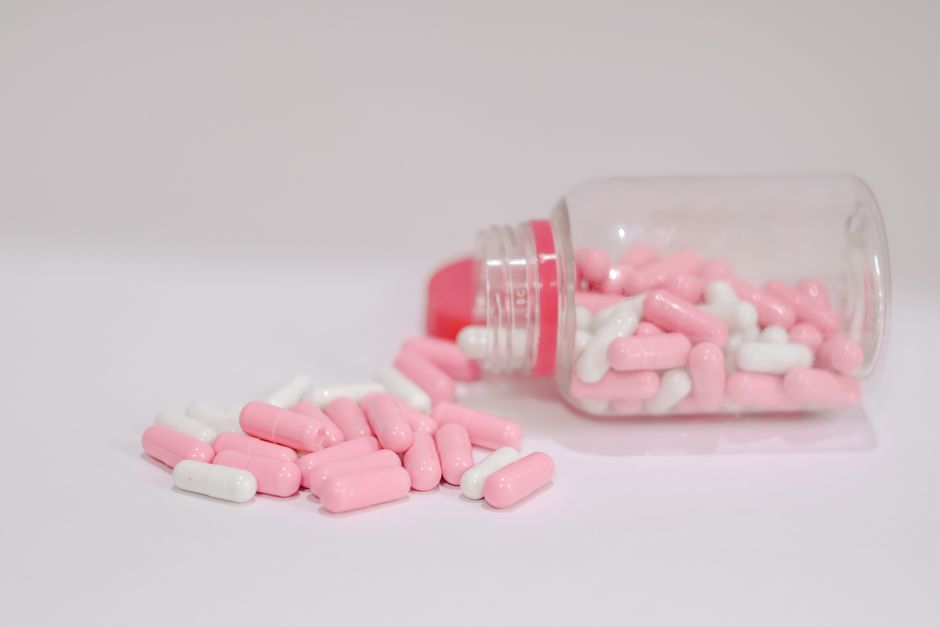
CBD products Click here for info may also create testing concerns. Even products marketed as THC-free can carry a risk of THC exposure if testing is limited, the product is contaminated, or the result is reported below a detection threshold. Athletes subject to anti-doping rules should review their governing body’s policies and consult a sports-health professional before using any CBD product.
Are CBD Capsules Vegan?
Not necessarily. CBD may come from hemp, but that says nothing about the capsule shell or the rest of the formula. Capsule shell materials can make or break vegan status, and a label that says “CBD capsules” does not tell you whether the capsule is plant-based.
Ingredient or label detail What to check Why it matters Capsule shell Look for hydroxypropyl methylcellulose (HPMC), also called hypromellose, or another clearly identified plant-based material. Gelatin shells are animal-derived. “Capsule” without a shell material leaves an important question unanswered. Glycerin Ask whether it is vegetable-derived if the source is not stated. Glycerin can come from plant or animal sources. Colorings Check for ingredients such as carmine, also called cochineal extract. Carmine is made from insects and is not vegan. Flavorings and coatings Ask the company for the source when wording is vague. “Natural flavors” may not disclose enough detail to establish whether the ingredients are animal-free. Other additives Review the full ingredient panel, including processing aids when information is available. Ingredients such as gelatin, beeswax, or certain dairy-derived components can appear outside the main CBD ingredient.HPMC is a common vegetarian capsule material. It is a cellulose-based ingredient, but don’t assume every capsule is HPMC just because the product is sold as a supplement. If the label only says “capsule,” ask the brand for the shell composition and the source of any glycerin or other ambiguous ingredients. I keep an ingredient-alias note for a reason: the name on the label may not be the name shoppers recognize.
What Does a Vegan Label Actually Verify?
Vegan labeling is not federally defined by the FDA as a single, standardized certification for foods or supplements. A company may use “vegan” to describe its product, but shoppers still need to see what that claim means and how it was checked. The FDA’s role in regulating products and labeling should not be mistaken for a federal vegan certification program.
Third-party vegan marks add outside verification. A recognizable mark can indicate that a certifying organization reviewed ingredients and, depending on its program, manufacturing practices. Certification standards differ, so look up the organization and what its mark covers. A vegan mark addresses animal-derived ingredients; it does not confirm CBD potency, THC levels, contaminant testing, or overall product quality.

Likewise, “organic” and “vegan” are separate claims. USDA Organic certification concerns organic production standards and does not, by itself, establish that a product or every ingredient is vegan. The presence of a USDA Organic seal should not be treated as proof that a capsule shell is plant-based or that a product is free of THC.
How to Shop for Broad-Spectrum CBD and CBD Capsules
A useful product review starts with the package, then moves to the testing and the company’s answers. Don’t stop at “broad-spectrum,” “THC-free,” or “vegan” printed on the front.
- Read the full ingredient list. Check the extract, capsule shell, fillers, colorings, flavorings, and other additives.
- Look for specific shell materials. For a vegan capsule, seek a clear plant-based material such as HPMC, and verify the source of ingredients like glycerin if needed.
- Review a batch-specific COA. Make sure it corresponds to the lot you have and includes cannabinoid results for the finished product.
- Check testing scope. Ask whether the company tests for relevant contaminants, not just CBD and THC.
- Look for meaningful outside verification. A third-party vegan mark can help with animal-derived ingredients, while independent lab testing addresses different questions.
- Contact the company when information is missing. Ask for the shell material, flavoring sources, and the COA for your batch. Clear answers are more useful than broad assurances.
For example, Joy Organics is one brand shoppers may encounter when comparing hemp products. As with any company, evaluate the specific product you are considering: inspect its ingredients, review the current batch lab reports, and confirm whether any vegan or THC-related claims are supported by documentation. Brand reputation alone cannot answer questions about a particular capsule or batch.
The Bottom Line
Broad-spectrum CBD is generally formulated to retain CBD and other hemp compounds while removing THC. It is not, by definition alone, proof that a finished product contains absolutely no THC. If THC avoidance matters, examine a current COA tied to your batch, confirm that the report covers the finished product, and pay attention to detection limits.
For CBD capsules, check the shell before you assume the product is vegan. Gelatin is animal-derived; HPMC is a common plant-based alternative. Hidden animal-derived ingredients and colorings can also appear in the rest of the formula. Because the FDA does not provide a single federal definition or certification for vegan labeling, third-party vegan marks can offer added outside verification—but they do not replace batch testing for cannabinoids or contaminants.
The simplest rule is certificate of analysis COA to match each claim to the evidence that can support it: use ingredient details and vegan certification to assess animal-derived materials, and use batch-specific lab reports to assess CBD, THC, and other test results.