What Should I Do the First Week After Leaving Rehab?
Leaving rehab is a major step in recovery, yet what happens in the first week after discharge often shapes the trajectory of your journey ahead. It’s common to feel a whirlwind of emotions and face cravings, doubts, or confusion about making the right next moves. This post covers concrete actions and mindset shifts you can adopt immediately post-rehab to build strong foundations: focusing on relationships, understanding peer support, leveraging early recovery support groups, and practicing accountability without shame.
Why The First Week Matters
During rehab, your environment and routine were structured to minimize triggers and support recovery behaviors. Once discharged, those protections are gone. That Tuesday night when cravings hit? That’s when preparation matters most. What you do in those first few days can set you up to handle challenges rather than be overwhelmed by them.
1. Leverage Relationships as a Recovery Driver
Recovery isn’t meant to be done alone—contrary to some myths about self-reliance in addiction. The people around you, including family, friends, and peers, are your greatest asset if approached with intention. Here’s how to start:
- Identify supportive relationships: Reach out to those who respect your recovery goals. This might be a sibling who checks in regularly or a friend who attends meetings with you.
- Communicate your needs clearly: Let them know what kind of support helps you—whether it’s a call when cravings spike or company during free time.
- Set boundaries with negatives: Don’t hesitate to create space from people or places connected to past substance use or negative influences.
Concrete example: “On my first Friday post-rehab, I told my best friend that evenings are tough for me and asked if she could text me around 7 pm to check in. Having that call made cravings manageable.”
2. Understand and Utilize Peer Support
What is peer support? It means connecting with others who have lived experience of addiction and recovery. Peer supporters don’t replace medical professionals or therapists; they provide empathy, guidance, and practical tools born from walking a similar path.

But be clear: peer support comes with boundaries. Certified peer specialists are trained to listen, share, and encourage—not to give medical advice or act as counselors unless credentialed for that role.
How to integrate peer support the first week:
- Get connected with a peer recovery specialist at your local recovery community center or support group.
- Attend at least one peer-led meeting or informal gathering within your first few days.
- Ask questions about what worked for others on their first week post-rehab.
Remember, peer support shines by modeling hope and real possibilities. Hearing individuals who have been “where you are now” and have maintained recovery helps create belief that you can do it too.
3. Explore Post Rehab Support Groups—Twelve-Step and Beyond
Support groups are cornerstones relapse prevention community of early recovery support. The two main types you might encounter are:
Twelve-Step Programs (e.g., Alcoholics Anonymous, Narcotics Anonymous)
- Emphasize a spiritual component and surrender to a higher power.
- Promote steps such as admitting powerlessness over addiction and making amends.
- Often have a structured sponsorship system connecting newcomers with more experienced members.
Non-Twelve-Step Approaches
- Offer alternatives for those who prefer secular or different frameworks.
- Examples include SMART Recovery, LifeRing, and Refuge Recovery.
- Focus on self-empowerment, cognitive tools, and peer-led discussion without spiritual emphasis.
How to decide what to try first? Consider what aligns with your beliefs and comfort level, but keep an open mind to attending a meeting just to observe. Early engagement with any form of mutual support group helps reduce isolation and build routine.
4. Use Social Modeling and Hope Through Real Examples
“Community fixes everything” is social modeling in recovery vague and frustrating without examples. What does that look like on a Tuesday night when cravings hit? Here’s a breakdown:
- Call or meet your sponsor or peer supporter. They remind you why you chose recovery and how they have navigated similar urges.
- Attend a weekly recovery meeting. Seeing people at different stages—from brand new to years sober—provides tangible evidence that recovery is possible.
- Observe and imitate coping strategies. Notice how others handle stress, triggers, or social events without substance use.
These real-life examples replace hopelessness with “if they can do it, I can try.” This social modeling is a powerful, yet often underrated, recovery driver.
5. Practice Accountability Without Shame
Accountability is essential but often misunderstood as punishment or shaming. Instead, think of it as honest check-ins with yourself and trusted others about your progress. Shame damages recovery by isolating you, while compassionate accountability builds trust and encourages persistence.
Tips for accountability without shame:
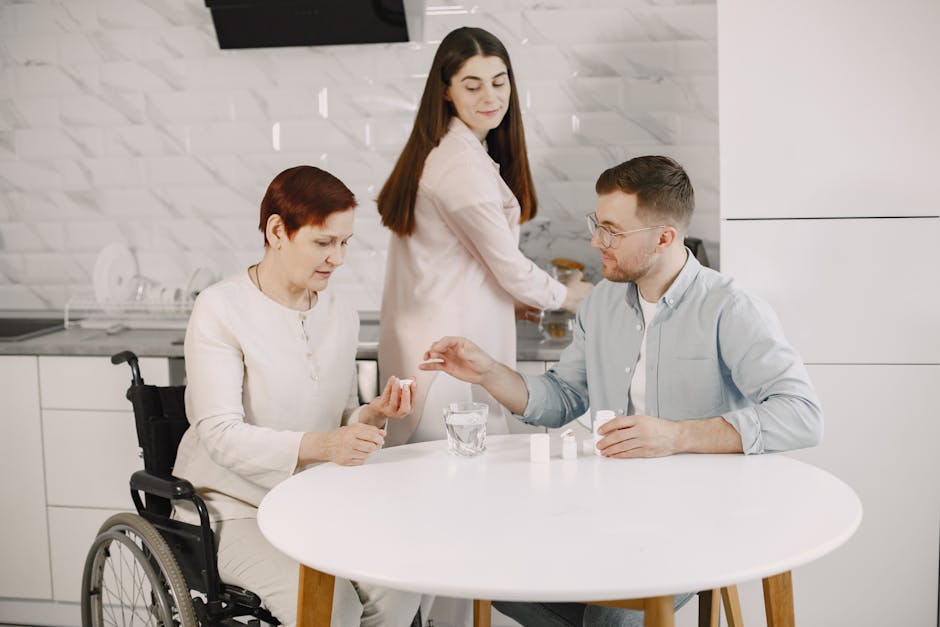
- Set small, realistic goals and share them with a peer or sponsor.
- Discuss setbacks openly without self-criticism, framing them as learning moments.
- Ask for support proactively rather than waiting to “prove” you’re doing fine.
Example: A newcomer wanting to stay clean might say, “I struggled on Wednesday with cravings. Here’s what I did instead… Can we talk about better ways I might respond next time?”
Summary Table: First Week Post-Rehab Priorities
Focus Area Key Actions Practical Example Relationships as Recovery Drivers Identify supports, communicate needs, set boundaries Ask a friend to check in on craving-heavy evenings Peer Support Connect with peer specialists, attend peer-led meetings Meet peer mentor at a recovery community center Post Rehab Support Groups Explore 12-step and non-12-step meetings, find fit Attend AA and SMART Recovery meetings to compare Social Modeling and Hope Observe and learn from others’ recovery journeys Notice how others manage triggers without substances Accountability Without Shame Set goals, share struggles, ask for support compassionately Discuss cravings openly with sponsor for feedbackFinal Thoughts
Your first week post-rehab is challenging but also full of opportunity. Developing supportive relationships, tapping into peer support and groups, learning by watching others’ real journeys, and keeping yourself accountable with kindness all help cement early recovery success. No vague platitudes here—these are actionable steps designed for the Tuesday nights when cravings show up unannounced.
If you’re leaving rehab soon or just took that step, prioritize connection with community recovery centers and peers who understand your experience. Reach out early, attend meetings, and lean into accountability with curiosity rather than judgment. Recovery is a process built one decision at a time—and that first week counts more than you may realize.